Muscle Memory

Published on May 1, 2015
Duration: 10:24

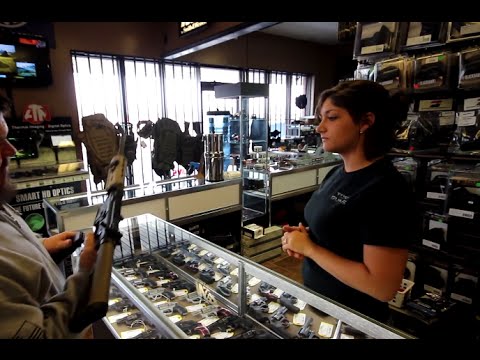
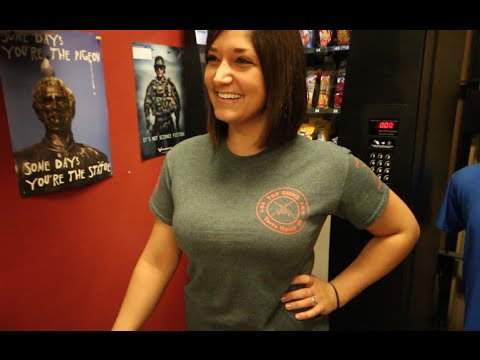
This video emphasizes the critical role of muscle memory in firearm proficiency and everyday preparedness. Instructors Steve and Jennifer discuss how consistent practice, mirroring real-world carry and training scenarios, is essential for effective self-defense. They highlight that developing ingrained responses allows for faster, more reliable actions during stressful situations, such as clearing malfunctions or drawing a firearm, without conscious thought.

Quick Summary

Muscle memory is vital for firearm proficiency and self-defense, enabling subconscious, rapid execution of critical actions like drawing and clearing malfunctions under stress. Consistent training that mirrors your everyday carry methods is crucial to ensure these responses are automatic and reliable when needed most.

Chapters

  1. 00:14Introduction to Muscle Memory
  2. 00:37Everyday Examples of Muscle Memory
  3. 01:40Strong Hand vs. Off Hand Usage
  4. 02:15Preparedness Tips: Dark T-Shirt
  5. 02:53Preparedness Tips: Pants Ready
  6. 04:14Keys as a Tool/Weapon
  7. 04:32Muscle Memory in Malfunction Clearance
  8. 05:19Tying Muscle Memory Together
  9. 05:48Train How You Carry
  10. 06:17Spare Magazine Carry Consistency
  11. 06:45Training Gear vs. Carry Gear
  12. 07:21Train As You Carry: Law Enforcement Example
  13. 08:07Conclusion: Muscle Memory is Key

Frequently Asked Questions

How does muscle memory apply to firearm self-defense?

Muscle memory allows for subconscious, rapid execution of critical actions like drawing a firearm, clearing malfunctions, or performing reloads under extreme stress. Consistent training ensures these actions become automatic, reducing the cognitive load and increasing the likelihood of successful defense.

Why is it important to train the way you carry a firearm?

Training exactly as you carry builds muscle memory that directly translates to real-world scenarios. If you carry concealed appendix, train appendix draws. If you carry a spare magazine in your pocket, practice reloads from your pocket. Inconsistency can lead to fumbling or reaching for the wrong item under pressure.

What are some simple preparedness tips related to muscle memory?

Simple habits like always placing your keys, wallet, and phone in the same pocket contribute to preparedness. For overnight safety, sleeping in a light-colored t-shirt can aid visibility, and keeping pants with essential items readily accessible by your bed reduces the number of steps needed in an emergency.

Can muscle memory help overcome firearm malfunctions?

Absolutely. Through consistent practice, techniques like 'tap, rack, bang' for clearing common malfunctions become ingrained. This allows a shooter to quickly restore their firearm to a functional state without having to consciously think through the steps, which is vital in a defensive encounter.

More Training & Techniques Videos You Might Like

More from Top Guns

View all →