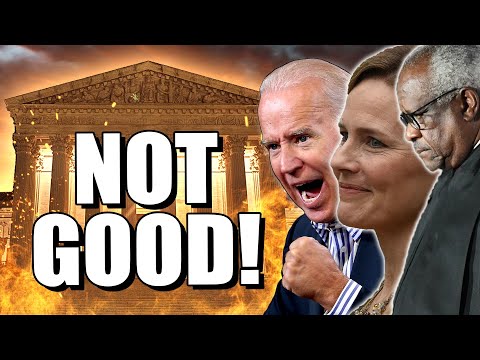
Nationwide Block of Suppressor & SBR Tax Restriction Passes In Congress! Registry Block Now Pushed!

Published on December 30, 2025
Duration: 9:06

This video details the legislative and legal battles surrounding the National Firearms Act (NFA). It covers the passage of HR1, which aimed to reduce the NFA tax to zero, and the subsequent lawsuits filed by Second Amendment groups challenging NFA restrictions. The DOJ's defense, citing occupational taxes and the Commerce Clause, is also discussed, alongside an amicus brief filed by anti-gun cities.
Quick Summary

The National Firearms Act (NFA) is facing legal challenges after HR1 reduced its tax to $0. Second Amendment groups argue this eliminates Congress's constitutional basis for regulation. The DOJ counters by citing occupational taxes and the Commerce Clause, while anti-gun cities support the NFA for public safety and law enforcement needs.

Chapters

  1. 00:00DOJ Defense of NFA Restrictions
  2. 01:47HR1 and the Zero Dollar Tax Lawsuit
  3. 03:112A Organizations' Legal Arguments
  4. 04:01DOJ's Counter-Arguments
  5. 05:11Anti-Gun Cities' Amicus Brief
  6. 06:27Law Enforcement and NFA Registration

Frequently Asked Questions

What is the significance of HR1 regarding NFA regulations?

HR1 aimed to reduce the National Firearms Act (NFA) tax from $200 to $0. This reduction has become a central point in lawsuits filed by Second Amendment organizations arguing that without a tax, there's no longer a valid constitutional basis for Congress to regulate items like suppressors and SBRs under the NFA.

How does the DOJ defend the National Firearms Act (NFA) after the tax reduction?

The Department of Justice (DOJ) defends the NFA by arguing that it remains valid due to the continued imposition of special occupational taxes on manufacturers, dealers, and importers. They also invoke the Commerce Clause, asserting that federal regulation is justified because NFA-regulated firearms are manufactured and sold across state lines.

What role do anti-gun cities play in the NFA legal challenges?

Several anti-gun cities, including Baltimore and Columbus, have filed an amicus brief supporting the DOJ's defense of the NFA. They argue that striking down NFA regulations would pose significant risks to public safety and law enforcement, as the registration framework is considered critical for investigations and officer safety.

What is the main legal argument against NFA restrictions following HR1?

The primary argument is that since HR1 reduced the NFA tax to zero, Congress has exceeded its enumerated powers by continuing to regulate items like suppressors, Short-Barreled Rifles (SBRs), Short-Barreled Shotguns (SBSs), and Any Other Weapons (AOWs) under the NFA.

Related News

All News →

More 2nd Amendment & Law Videos You Might Like

More from Armed Scholar

View all →