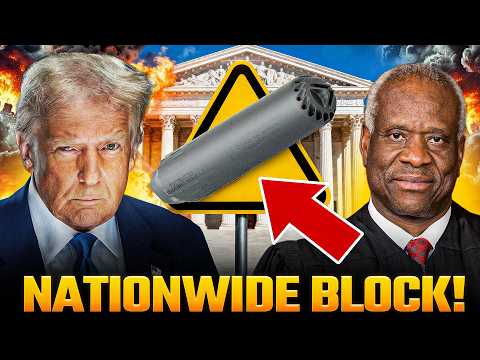
This is How They Are Going to Interfere with President Trump's Gun Agenda

Published on January 17, 2025
Duration: 8:42

This analysis from William Kirk of Washington Gun Law details the legal battle surrounding Forced Reset Triggers (FRTs) and the attempt by several State Attorneys General to intervene in the National Association for Gun Rights v. Garland case. The AGs sought to ensure continued federal enforcement against FRTs, fearing a Trump administration would not prioritize gun control. However, the Fifth Circuit denied their motion to intervene, highlighting the ongoing legal complexities and political maneuvering impacting Second Amendment rights.

Quick Summary

State Attorneys General attempted to intervene in the National Association for Gun Rights v. Garland case, challenging the ATF's stance on Forced Reset Triggers (FRTs). Their goal was to ensure continued federal enforcement, fearing a future administration might not prioritize gun control. However, the Fifth Circuit Court of Appeals denied their motion to intervene.

Chapters

  1. 00:00Introduction & Location
  2. 00:29Forced Reset Triggers Legal Battle
  3. 01:14National Association for Gun Rights v. Garland Case
  4. 01:35Trial Court Injunction and Appeal
  5. 01:50State Attorneys General Attempt Intervention
  6. 02:19AGs' Motivation for Intervention
  7. 02:39Fifth Circuit Denies Motion
  8. 02:52Undermining President Trump's Agenda
  9. 03:10AGs' Argument: Inadequate Representation
  10. 03:39AGs' Argument: Future of Gun Control
  11. 04:19AGs' Argument: Prejudice Claim
  12. 04:47Critique of Prejudice Claim
  13. 05:16AGs' Evidence and Source
  14. 05:43AGs' Argument: State Law Ineffectiveness
  15. 06:22Critique of Ineffectiveness Claim & Costs
  16. 06:53Fifth Circuit's Final Ruling
  17. 07:21Conclusion & Future Tactics

Frequently Asked Questions

What was the legal challenge regarding Forced Reset Triggers (FRTs)?

The case National Association for Gun Rights v. Garland challenged the ATF's determination that FRTs are unlawful machine guns. The Fifth Circuit Court of Appeals heard arguments on this matter.

Why did State Attorneys General try to intervene in the FRT case?

Several State Attorneys General sought to intervene because they believed a future presidential administration might not vigorously defend the ATF's rule-making order against FRTs, thus potentially undermining gun control policies.

What was the outcome of the State Attorneys General's motion to intervene?

The Fifth Circuit Court of Appeals denied the motion filed by the State Attorneys General to intervene as defendants/appellants in the case. They were permitted to seek participation as amici.

How might the State Attorneys General's actions impact President Trump's gun agenda?

The attempt by State AGs to intervene was seen as an effort to preemptively influence or obstruct potential pro-Second Amendment policies of a Trump administration by ensuring continued federal scrutiny on items like FRTs.

Related News

All News →

More 2nd Amendment & Law Videos You Might Like

More from Washington Gun Law

View all →