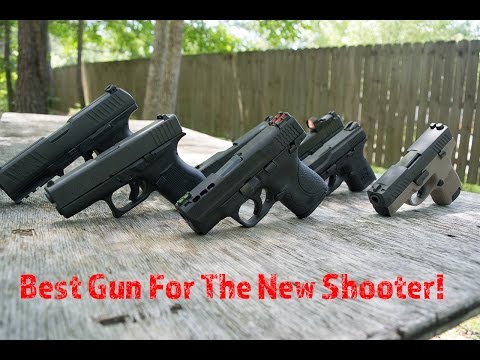
Concealed Carry For Beginners...Safety or No Safety

Published on January 5, 2015
Duration: 11:35

This video, featuring Hegshot87, delves into the critical debate for concealed carry beginners: manual safety versus no manual safety. The instructor, demonstrating extensive knowledge and practical experience, emphasizes that while personal preference plays a role, consistent training and muscle memory are paramount. He highlights the trend towards simpler, striker-fired designs without external safeties for everyday carry, citing their prevalence in law enforcement and the potential for manual safeties to be a liability under stress.

Quick Summary

For concealed carry beginners, the debate between manual safety and no safety is significant. While personal preference exists, experienced users often favor simpler striker-fired designs without external safeties to minimize potential failure points under stress. Consistent dry fire practice is vital for building muscle memory and ensuring reliable operation, regardless of the chosen firearm's safety features.

Chapters

  1. 00:00Introduction and Safety Check
  2. 00:39Evolution of Perspective on Safeties
  3. 01:47Carrying Chambered vs. Safety
  4. 02:54The Liability of the Extra Step
  5. 04:07Professional Use and Glock Design
  6. 05:33The Importance of Dry Fire
  7. 06:53Market Trends and 'Pro' Models
  8. 08:31Resale Value and Internal Safeties
  9. 10:03Final Thoughts: The Ultimate Safety

Frequently Asked Questions

Should a beginner concealed carrier choose a firearm with a manual safety?

The choice between a manual safety and no manual safety for concealed carry is personal. While some prefer the added mechanical step, experienced practitioners often opt for simpler striker-fired designs without external safeties to reduce potential failure points under stress. Consistent training is key regardless of the choice.

What are the main arguments against manual safeties for concealed carry?

Arguments against manual safeties for concealed carry often cite the potential for them to be a liability in high-stress situations. Disengaging a manual safety adds an extra step during a draw, which can be forgotten or fumbled, leading to slower response times or a failure to fire.

What role does dry fire practice play in concealed carry safety?

Dry fire practice is crucial for concealed carry. It allows you to build muscle memory for operating your firearm's controls, including the trigger and any safeties, ensuring you can perform these actions smoothly and instinctively, even under pressure.

Are modern concealed carry pistols moving away from manual safeties?

Yes, there's a significant trend in modern striker-fired pistols designed for concealed carry to omit external manual thumb safeties. This design philosophy prioritizes simplicity and relies on internal safeties and the user's trigger discipline for safe operation.

Related News

All News →

More EDC & Lifestyle Videos You Might Like

More from Hegshot87

View all →