Concealed Carry- From Beginners To Beginners

Published on July 20, 2014
Duration: 19:08

This guide, based on six months of concealed carry experience, offers practical advice for beginners. It covers selecting a comfortable and concealable firearm, the importance of quality holsters, carrying in Condition 1, and practicing with your specific gear. The video debunks caliber myths and emphasizes personal proficiency over perceived stopping power.

Quick Summary

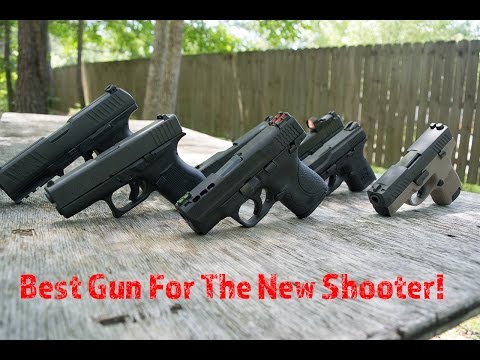
For beginners in concealed carry, prioritize selecting a firearm you can shoot effectively and comfortably, often leaning towards slim, single-stack subcompacts like the Springfield XDS or S&W M&P Shield. Invest in a quality holster, carry in 'Condition 1' for immediate readiness, and practice consistently with your chosen firearm and ammunition.

Chapters

  1. 00:00Introduction & Experience
  2. 01:19Choosing the Right Firearm
  3. 05:09Holster Selection
  4. 06:41Carrying with a Round in the Chamber
  5. 08:22Training and Ammunition
  6. 09:04EDC Considerations: Clothing and Dimensions
  7. 14:45Concealed Carry for Women
  8. 17:05Caliber Myths and Final Thoughts

Frequently Asked Questions

What are the key considerations for a beginner choosing a concealed carry firearm?

Beginners should prioritize selecting a firearm they can shoot effectively and comfortably. Slimmer, single-stack subcompact pistols like the Springfield XDS or Smith & Wesson M&P Shield are often recommended for better concealability and comfort during daily carry.

Why is carrying a firearm in 'Condition 1' important for self-defense?

Carrying in 'Condition 1' means having a round already chambered and the firearm ready to fire. This is tactically crucial because drawing and racking the slide under the stress of a self-defense encounter can take too much valuable time.

What type of holster is recommended for concealed carry?

It's advised not to skimp on holsters. Quality Inside-the-Waistband (IWB) holsters, such as those from 8-Square Tactical, Crossbreed, or Hidden Hybrid, are recommended. Holsters with dual belt loops help distribute weight better than single loops.

Are smaller calibers like .380 ACP or .38 Special sufficient for self-defense?

Yes, smaller calibers like .380 ACP and .38 Special can be sufficient for self-defense when using high-quality ammunition like Hornady Critical Duty and when the carrier demonstrates proficiency with accurate shot placement.

Related News

All News →

More EDC & Lifestyle Videos You Might Like

More from Hegshot87

View all →