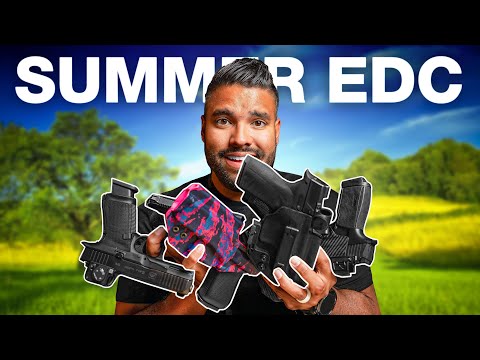
Concealed Carry Problems: 5 Steps for Success

Published on February 6, 2023
Duration: 14:21

Will Workman of Workman Protection outlines five essential steps for successful concealed carry. Key takeaways include prioritizing your best-shooting firearm over concealability, investing in a quality holster with specific safety features, carrying non-lethal tools and a trauma kit, seeking professional training, and practicing consistently through dry fire drills. This expert advice emphasizes a holistic approach to personal defense.

Quick Summary

Improve your concealed carry lifestyle with five essential steps: carry your best shooting gun for accuracy and speed, invest in a quality holster that covers the trigger guard and allows quick access, carry non-lethal tools and a trauma kit, seek professional training, and practice consistently through dry fire drills.

Chapters

  1. 00:00Introduction to Concealed Carry Success
  2. 00:20Step 1: Carry Your Best Shooting Gun
  3. 01:08Glock 43 Discussion
  4. 02:13Glock 19 Discussion
  5. 03:03Train with Your Carry Gun
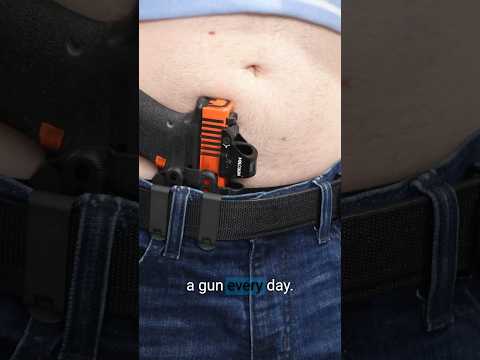
  6. 04:18Step 2: Invest in a Quality Holster
  7. 04:37Holster Safety Rules
  8. 05:11Bad Holster Examples
  9. 07:35Good Holster Examples
  10. 10:00Step 3: Carry Other Tools
  11. 11:16Step 4: Invest in Professional Training
  12. 12:01Step 5: Practice Consistently

Frequently Asked Questions

What are the five key steps to improving your concealed carry lifestyle?

The five steps are: 1) Carry your best shooting gun, not just one that's easy to conceal. 2) Invest in a quality holster that meets specific safety criteria. 3) Carry other tools for non-deadly threats and emergencies. 4) Invest in professional training. 5) Practice consistently.

Why is it important to carry the firearm you shoot best for concealed carry?

Carrying the firearm you shoot best is crucial because it maximizes your accuracy and speed in a worst-case gunfight. While smaller guns are easier to conceal, they often compromise your ability to effectively engage a threat, especially at further distances.

What are the essential safety rules for a concealed carry holster?

A quality holster must completely cover the trigger guard to prevent accidental discharge. It must also hold the firearm securely without shifting during movement and allow for consistent, quick access to your weapon when needed.

How often should you practice your concealed carry skills?

Consistent practice is vital as skills are perishable. Even 5-10 minutes of dry fire training per week can significantly improve your shooting ability. Focus on mastering proper technique before emphasizing speed.

Related News

All News →

More EDC & Lifestyle Videos You Might Like

More from Modern Protector

View all →