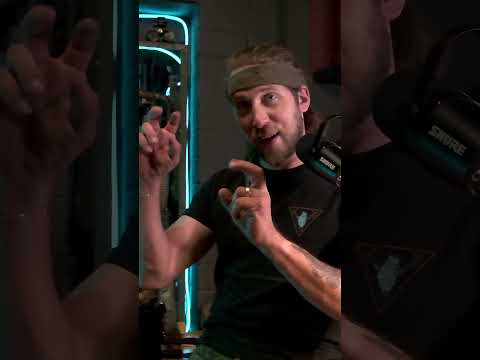
120: Ethan Walters on How to [Not] get Killed by the FBI

Published on August 15, 2023
Duration: 100:28

This discussion analyzes the Craig Robertson shooting incident, exploring the complexities of threat assessment, law enforcement response, and the role of social media in escalating tensions. It delves into the nuances of intent and capability in evaluating threats, contrasting overt statements with veiled intentions. The conversation also touches upon the perceived leniency towards threats from different political factions and the broader implications for the culture war.

Quick Summary

The legitimacy of a threat requires both intent and capability. Social media can amplify threats, but also be a source of misinformation, complicating law enforcement's assessment. Law enforcement uses 'call out' procedures to de-escalate situations before resorting to raids, a tactic relevant to the Craig Robertson shooting incident.

Chapters

  1. 00:02Introduction: Content Creation & Competition
  2. 00:14Ethan Walters on the Show
  3. 00:34The Craig Robertson Shooting in Utah
  4. 00:56Personal Connection to Events: Kenosha
  5. 01:13Kenosha Shooting and Rittenhouse
  6. 01:32Another Utah Shooting Incident
  7. 02:01Relevance of the Craig Robertson Shooting
  8. 02:13Animosity and Political Hay
  9. 02:37Response to George Floyd vs. Robertson
  10. 03:04Interpreting Social Media Threats
  11. 03:25Analyzing the Information
  12. 03:41Changing Interactions and Useful Tools
  13. 04:01Avoiding Negative Outcomes
  14. 04:21Elements of Ruby Ridge Comparison
  15. 04:40Conflicting Information on Robertson
  16. 05:00Legitimacy of Threats
  17. 05:08Asymmetrical Force and Gangs
  18. 06:31Regional vs. International Threats
  19. 07:05Asymmetrical Experience with Crime
  20. 07:37Afghanistan Analogy
  21. 07:55Military Capability vs. Civilian Life
  22. 08:06Gang Violence vs. Military Existence
  23. 08:19Asymmetrical Amount of Force
  24. 08:23Not Celebrating Death
  25. 08:36Legitimacy of Threat Questioned
  26. 08:43Intent and Capability in Crime
  27. 08:57Philosophy of Justified Response
  28. 09:16Veiling Capabilities
  29. 09:25Real Threat Question
  30. 09:33Veiled Threats in Gun Culture
  31. 09:44Implications of Overt Threats
  32. 09:57Elusiveness and Gun Culture
  33. 10:03Tension in Gun Culture
  34. 10:25Craig Robertson Case Significance
  35. 10:39Relevance to Our Time
  36. 10:50Critique of 'What I Would Have Done'
  37. 11:02Missing the Point of Dominance
  38. 11:09Details of the Robertson Incident
  39. 11:19President's Visit to Utah
  40. 11:32Threatening Facebook Posts
  41. 11:47Caution with Social Media Screenshots
  42. 12:00Black Lives Matter Advocates and Lynchings
  43. 12:26George Floyd Protests and Riots
  44. 13:04Protest Escalates to Riot
  45. 13:13Blame and Incitement
  46. 13:29Facebook Justification and Story
  47. 13:36Careful with Social Media Justification
  48. 14:03Error of Distrust
  49. 14:09Trusting the FBI
  50. 14:18Legitimate Happening
  51. 14:21Response to Threats Questioned
  52. 14:30Appropriate Response?
  53. 14:37Argument About Trump's Head
  54. 14:55War on the Right
  55. 15:03Right Wing Latching On
  56. 15:15Ruling Out Celebrity Threats
  57. 15:19Eminem and Kathy Griffith
  58. 15:45Using Position and Resources
  59. 16:05Problem of People Listening
  60. 16:13Celebrities Making Claims
  61. 16:26Threats from Non-Millionaires
  62. 16:35Twitter Threats
  63. 16:42Lopsided Environment
  64. 17:02Allegedly Bombing Cities
  65. 17:05Old Guy Threatening President
  66. 17:15Tactically Stupid Move
  67. 17:19Lopsided Environment Evidence
  68. 17:30Creating Peace in Culture War
  69. 17:43Apology from the Left Needed
  70. 17:52Right Was Correct on Censorship
  71. 18:05Fascist Merger of Government and Private Entity
  72. 18:16Not Here to Take Your Guns
  73. 18:21Cultural Right Needs Apology
  74. 18:27Skipped Over Part
  75. 18:32Alex Jones Was Right
  76. 18:39Apology Would Go Far
  77. 18:44Past the Point of Apology
  78. 19:09Factions Established
  79. 19:13Avenue for De-escalation
  80. 19:20No De-escalation from the Left
  81. 19:25Strange Next Few Years
  82. 19:32Thucydides Trap
  83. 19:40Brink of Civil War
  84. 19:44Alex Jones Was Right Bingo
  85. 19:59Temple Says Civil War
  86. 20:07Not Financial Advice
  87. 20:17Digging Deeper into Craig
  88. 20:43External Perspective vs. Experience
  89. 20:54Raids with Armed Individuals
  90. 21:01Unreasonable Actions Questioned
  91. 21:09Man Threatening Violence
  92. 21:28Guy is Armed
  93. 21:40Agent Hesitation
  94. 21:48Animosity Towards FBI
  95. 22:02Room for De-escalation
  96. 22:07Call Out Procedure
  97. 22:18Squirters (Technical Term)
  98. 22:26Cordoning Off a Building
  99. 22:40Escalation Tactics
  100. 22:54Tools at Disposal
  101. 22:58Why Did it Escalate?
  102. 23:05FBI's Call Out Strategy
  103. 23:16Risk of Saying No Action
  104. 23:23Empty Threat Question
  105. 23:27Left Receives More Leniency
  106. 23:41Left Does It All the Time
  107. 23:49Whack-a-Mole from the Left
  108. 24:01Hard Thing for Gun Culture
  109. 24:07Accusation is Correct
  110. 24:11Gun Culture's Vocalization
  111. 24:24Conflict Between Left and Right
  112. 24:32Antifa vs. Proud Boys
  113. 24:46Left Outwitted the Right
  114. 24:58Media Presentation Power
  115. 25:09Spinning the Narrative
  116. 25:20Right Could Have Done Better

Frequently Asked Questions

What are the key elements for a threat to be considered legitimate?

For a threat to be considered legitimate, especially in a pseudo-legal context, it must possess both intent and capability. A threat made without the means or ability to carry it out may not be taken as seriously or acted upon by authorities.

How does social media influence threat assessment and law enforcement response?

Social media can amplify threats, making them overtly public and potentially prompting law enforcement intervention. However, the ease of image manipulation and the spread of misinformation on these platforms complicate threat assessment, making it crucial to verify information before acting.

What is a 'call out' procedure in law enforcement?

A 'call out' is a law enforcement tactic where an area, typically a building, is cordoned off to prevent escape. Authorities then attempt to persuade individuals inside to surrender peacefully before resorting to more forceful entry methods.

Why is the Craig Robertson shooting incident significant for gun culture?

The Craig Robertson shooting is significant because it highlights issues of threat assessment, law enforcement response, and the perceived political bias in how threats are handled. It also touches upon the broader culture war and the role of social media in escalating tensions.

Related News

All News →

More General Videos You Might Like

More from REDACTED Culture Cast

View all →