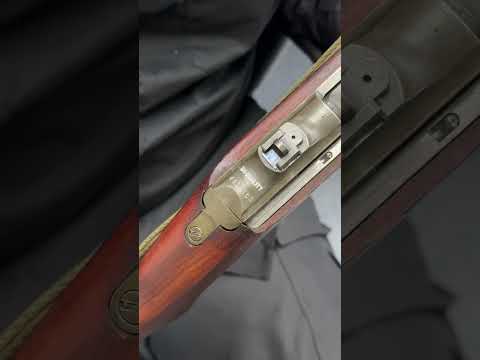
A Girl with a big gun!

Published on February 6, 2025
Duration: 7:39

This video details the Mauser 1918 anti-tank rifle, a significant development from World War I. It highlights the rifle's purpose in countering early tanks, its powerful 13.2mm caliber, and the engineering challenges faced by Mauser in its creation. The discussion covers its historical context, technical specifications, and the extreme recoil experienced during firing.

Quick Summary

The Mauser 1918 anti-tank rifle, developed by Germany in World War I, fires a 13.2mm round designed to penetrate early tank armor. It could pierce up to an inch of steel at close range, a critical capability against the emerging threat of tanks on the battlefield.

Chapters

  1. 00:00Introduction: Vegas Gun Show Find
  2. 00:12Acquisition and Initial Impressions
  3. 01:03Identifying the WWI Anti-Tank Rifle
  4. 01:20Historical Context: The Birth of Tanks
  5. 01:53Mauser's Response: Developing the Anti-Tank Rifle
  6. 02:24Key Design Focus: High Velocity
  7. 02:32Effectiveness Against Early Tanks
  8. 02:53Caliber and Comparison to .50 Cal
  9. 03:36The Legendary Recoil
  10. 04:09Recoil Demonstration: Ian McCullum
  11. 04:14Ammunition: Original vs. Reproduction
  12. 04:32Steel Core Bullet Importance
  13. 04:43Closer Look at Mechanics
  14. 04:47Ergonomics and Handling Features
  15. 05:03Mauser Manufacturing and Logo
  16. 05:12Date and Model Identification
  17. 05:18Bolt Machining and Smoothness
  18. 05:37Round Comparison
  19. 05:50Adjustable Sight Details
  20. 06:22Bipod Functionality
  21. 06:46Production Numbers and Post-War Status
  22. 07:13Future Shooting Plans
  23. 07:21Call to Action: Like and Subscribe

Frequently Asked Questions

What was the primary purpose of the Mauser 1918 anti-tank rifle?

The Mauser 1918 anti-tank rifle was developed by Germany during World War I to counter the threat of early tanks. Its design focused on high muzzle velocity and specialized ammunition to penetrate the armor of these new armored vehicles.

What caliber is the Mauser 1918 anti-tank rifle and how effective was it?

The Mauser 1918 fires a 13.2mm round, which is larger than a .50 caliber bullet. It was capable of penetrating approximately 3/4 inch of steel, and up to an inch at closer ranges, making it effective against the armor of World War I tanks.

Why was the Mauser 1918 anti-tank rifle so difficult to shoot?

The Mauser 1918 is known for its legendary and significant recoil. This extreme recoil is a result of its powerful caliber and high-velocity ammunition, making it a challenging weapon to handle and shoot effectively without proper stabilization.

What made the ammunition for the Mauser 1918 unique?

The original ammunition for the Mauser 1918 featured a hardened steel core. This was crucial for its anti-tank capability, as it allowed the projectile to penetrate the thick steel armor of enemy tanks, a feat not possible with standard lead bullets.

More General Videos You Might Like

More from Legacy Collectibles

View all →