Did You Know This About The Most Popular Caliber?

Published on February 5, 2026
Duration: 2:52

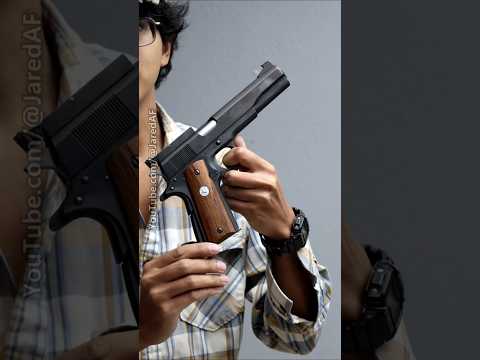
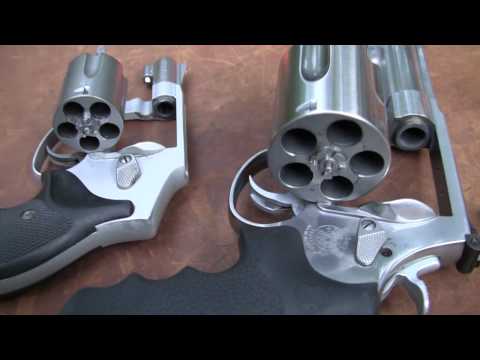
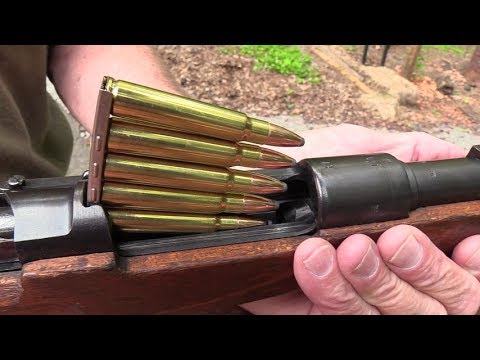
This video from Hickok45 delves into the surprising history and actual measurements of the .38 caliber cartridge. It explains how modern .38 Special and .357 Magnum rounds, despite their names, have a bullet diameter closer to .357 inches due to historical design changes. The discussion highlights how many popular calibers, including 9mm, share a similar actual bullet diameter, often retaining older names for marketing or consistency.

Quick Summary

The common '.38 caliber' designation is historical; modern .38 Special and .357 Magnum cartridges use bullets closer to .357 inches in diameter. This change occurred as bullet seating evolved to be inside the case. Many popular rounds, including 9mm, share this approximate .357-inch bullet diameter.

Chapters

  1. 00:00Introduction to the .38 Caliber's Popularity
  2. 00:15Historical 'Heel Type' Bullets Explained
  3. 00:38Modern Bullet Seating and Diameter Changes
  4. 01:12Actual Caliber Measurements vs. Names
  5. 02:10The .36 Caliber Family of Rounds

Frequently Asked Questions

Why is the .38 caliber not actually .38 inches?

The name '.38 caliber' is a historical designation. Early cartridges used 'heel type' bullets that were flush with the case, making them true .38 inches. Modern designs seat bullets inside the case, requiring a smaller diameter, around .357 inches, for the same nominal caliber.

What is the actual diameter of a .357 Magnum bullet?

Despite being called a .357 Magnum, the actual bullet diameter is typically .357 inches. This is part of a family of cartridges, including the .38 Special, that share a similar actual bullet diameter, often referred to colloquially as .36 caliber.

Are 9mm bullets the same diameter as .38 Special?

Yes, 9mm bullets are very close in actual diameter to .38 Special and .357 Magnum bullets, typically ranging from .356 to .357 inches. This similarity highlights how caliber names can be historical rather than precise measurements.

Why do different calibers have names that don't match their exact measurements?

Caliber names often originated historically and stuck for marketing or consistency. For example, .38 Special and .357 Magnum bullets are closer to .357 inches, and .44 Magnum is closer to .43 inches. These names became standardized despite manufacturing changes.

Related News

All News →

More General Videos You Might Like

More from hickok45

View all →