History of WWI Primer 122: Belgian Comblain Mousqueton Modele 1871/83 Documentary

Published on April 28, 2020
Duration: 64:38

This video details the Belgian Comblain Mousqueton Modele 1871/83 carbine, a single-shot, breech-loading firearm chambered in 11mm black powder. It explores its historical context, technical specifications, and operational nuances, including its use by Belgian troops and its role during WWI. The discussion highlights the carbine's construction, its specific cartridge, and the operational challenges and features of its action, trigger, and safety mechanisms.

Quick Summary

The Belgian Comblain Mousqueton Modele 1871/83 carbine is a single-shot, breech-loading firearm measuring 38.5 inches and weighing 6.4 pounds. It fires a 11mm cartridge with a 42.5mm case length and features a specific rotating motion for its action operation.

Chapters

  1. 00:00Introduction to the Comblain Carbine
  2. 00:30Belgian Mousqueton Modell 1871/83 Overview
  3. 01:10Evolution of Comblain Rifles and Carbines
  4. 02:08Cavalry Arm Replacement and Ammunition
  5. 03:17Belgian Army Adoption of the 1871 Cavalry Carbine
  6. 04:12Brazilian Comblain Carbine Adoption
  7. 04:50The Repeater Law Era and Carbine Development
  8. 05:541871 Carbine Updates: 1871/83 Patterns
  9. 07:17Detailed Look at the 1871/83 Carbine
  10. 08:53Updates and Hammer Differences
  11. 10:00Receiver Differences: Rifle vs. Carbine
  12. 11:30Early Features and Tang Screws
  13. 12:12Firing Demonstration
  14. 14:04Later Comblain Models and Brazilian Conversions
  15. 15:30Comblain Carbine's Role in WWI
  16. 16:48Guard Civic and the Rape of Belgium
  17. 21:10German Fears and Reprisals
  18. 23:10Guard Equipment Shortages and Unconventional Arms
  19. 25:39German Reaction to Civilian Resistance
  20. 27:13Dissolution of the Guard Civic
  21. 29:35Inventor's Later Life and Legacy
  22. 30:14May's Opinion: Long Rifle vs. Carbine
  23. 31:30Ergonomics of the Long Rifle
  24. 32:52Action Operation and Safety
  25. 39:00Trigger Pull and Feel
  26. 42:43Shooting Impressions: Sights and Recoil
  27. 48:01Carbine vs. Rifle Ergonomics Comparison
  28. 51:20Recoil and Muzzle Flip Comparison
  29. 53:36Extraction Issues with Handloads
  30. 55:36Comfortable with Comblain in WWI?
  31. 57:15German Perception of the Comblain as an Insurgent Weapon
  32. 62:20Conclusion and Historical Significance
  33. 63:31Post-Show Update and Community

Frequently Asked Questions

What are the key specifications of the Belgian Comblain Mousqueton Modele 1871/83 carbine?

The Belgian Comblain Mousqueton Modele 1871/83 carbine has an overall length of 38.5 inches and weighs 6.4 pounds. It is a single-shot, breech-loading firearm chambered in 11mm with a 42.5mm case length.

How is the action of the Comblain carbine operated?

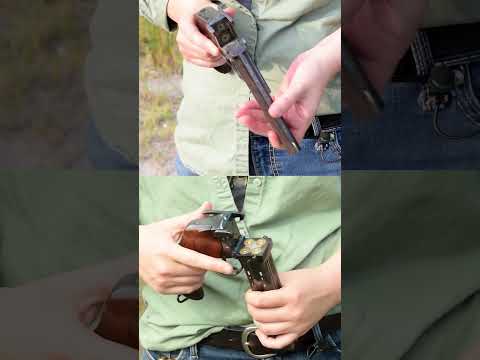
Operating the Comblain carbine's action involves a specific rotating motion of the hand and thumb to pop the lever open, rather than a simple pull or push. Closing the action requires pushing the lever down until it snaps positively into place.

What cartridge does the Belgian Comblain 1871/83 carbine use?

The carbine uses an 11mm rimmed cartridge with a case length of 42.5mm. This round is a development of the 11mm Albini-Braendlin cartridge and features an unsupported chamber.

What were the safety concerns associated with the Comblain carbine during WWI?

The Comblain carbine fired unjacketed lead bullets, violating the Hague Convention of 1899. This, combined with its use by civilian guards, led German forces to perceive it as an insurgent weapon, causing harsh reprisals.

More General Videos You Might Like

More from C&Rsenal

View all →