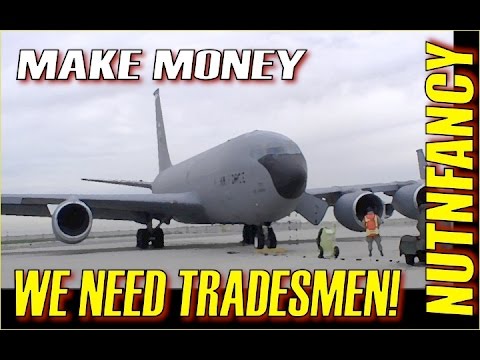
LLP | #12: "Blue Collar vs White Collar"

Published on May 8, 2020
Duration: 60:55

This podcast episode explores the distinctions and symbiotic relationship between blue-collar and white-collar professions. It emphasizes that both are crucial for societal function and economic growth, challenging the traditional hierarchy that often favors white-collar work. The discussion highlights the significant earning potential and intrinsic value of skilled trades, the importance of practical experience, and the entrepreneurial spirit within the American workforce. Ultimately, it advocates for choosing career paths based on personal aptitude and fulfillment rather than societal pressure.

Quick Summary

The distinction between blue-collar and white-collar jobs lies in the nature of work and historical attire. Blue-collar roles involve manual labor and trades, while white-collar roles are typically office-based. Both are vital for economic health, with skilled trades offering significant earning potential and career satisfaction, often without the burden of extensive student debt.

Chapters

  1. 00:00Introduction: Life, Liberty, and the Pursuit
  2. 00:24Blue Collar vs. White Collar: Defining the Terms
  3. 03:09The Importance of Both Sectors
  4. 04:03Shortage of Tradespeople & Misconceptions
  5. 06:03The Charm of the Blue-Collar World
  6. 07:02Engineering and Trades: A Symbiotic Relationship
  7. 08:00Society as a Military Analogy
  8. 09:00Supply Chains and Essential Workers
  9. 10:00Truck Driving: Earning Potential & Opportunities
  10. 11:35Opportunities Beyond College Degrees
  11. 12:12The Stigma of Trades and Earning Potential
  12. 13:05Personal Story: A Teamster's Career
  13. 14:14Aptitude-Based Careers and Mechanical Inclination
  14. 15:24The Speaker's Background: Non-College Educated
  15. 15:56The Role of White-Collar Tech in Content Creation
  16. 19:11Blue Collar Working in a White Collar World
  17. 21:22Symbiotic Relationship: Content Creators & Platforms
  18. 22:16Choosing What's Right for You
  19. 23:29The Story Behind Printed Merchandise
  20. 24:29Assigning Roles and Deferring Expertise
  21. 25:30Relating Blue Collar vs. White Collar to Content Creation
  22. 26:54Blue Collar vs. White Collar: Not a Competition
  23. 27:44Societal Expectations and Financial Pressures
  24. 29:49Inflation and Changing Family Dynamics
  25. 31:03The Culture of Convenience and Unrealistic Expectations
  26. 32:30The 'Keeping Up With The Joneses' Trap
  27. 32:47Historical Shift in Trades and Manufacturing
  28. 34:28Mike Rowe and 'Dirty Jobs' Impact
  29. 35:00Apprenticeship Programs and On-the-Job Training
  30. 36:26Mike Rowe's Support for Veterans
  31. 37:22Trades as Life Experience and Character Building
  32. 38:32The Crawl, Walk, Run Phase of Success
  33. 39:19The Risk of Entrepreneurship vs. Employment
  34. 40:12The American Entrepreneurial Spirit
  35. 41:18Financial Trade-offs: Student Loans vs. Trade Costs
  36. 42:30The Cost of Entry for Trades (Welding, Mechanics)
  37. 43:36Specialized Insurance and Licenses for Trades
  38. 44:26Schooling vs. Life Experience
  39. 47:43Welding Analogy: Experience is King
  40. 49:20The Learning Curve in All Professions
  41. 49:41The Drive for Self-Improvement and Fulfillment
  42. 50:25Monetary Gains vs. Personal Happiness
  43. 51:11The Scarcity of Skills and Personal Identity
  44. 52:13Building Backup Plans with Technical Skills
  45. 53:32The Skill of On-Camera Communication
  46. 54:34Career Path vs. Accidental Success
  47. 55:02The Nature of Entrepreneurial Failure and Success
  48. 56:20The Sacrifice Required for Small Business Success
  49. 57:24Self-Employment: Hard Work vs. Perceived Freedom
  50. 58:23Conclusion: Gratitude and Support
  51. 59:50Outro and Call to Action

Frequently Asked Questions

What is the difference between blue-collar and white-collar jobs?

Blue-collar jobs traditionally involve manual labor, often in trades like construction, mechanics, or manufacturing, historically associated with blue denim workwear. White-collar jobs typically involve office-based work, professional services, or management, historically associated with white dress shirts. Both are essential for a functioning economy.

Can skilled tradespeople earn as much as white-collar professionals?

Yes, many skilled tradespeople can earn comparable or even higher salaries than white-collar professionals, especially with experience and specialization. Fields like welding, plumbing, and electrical work face shortages, increasing demand and earning potential. Entrepreneurship in trades can lead to significant financial success.

Why is there a shortage of skilled tradespeople?

The shortage is attributed to a societal shift that historically overemphasized college degrees, devaluing vocational training. Many manufacturing jobs moved overseas, and fewer young people entered trades. This has created a gap in the workforce, making skilled trades highly sought after.

Is a college degree always necessary for a successful career?

No, a college degree is not always necessary. Many successful and lucrative careers are available in skilled trades, entrepreneurship, and technical fields that do not require a four-year degree. Aptitude, hands-on skills, and continuous learning are often more critical than formal higher education.

Related News

All News →

More General Videos You Might Like

More from Iraqveteran8888

View all →