Needlefire

Published on October 22, 2023
Duration: 1:00

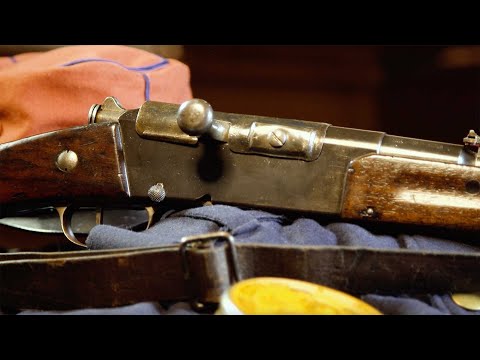
This video explores the historical significance and mechanics of needlefire firearms, focusing on the German Dreyse, French Chassepot, and Carcano conversions. It highlights the Dreyse as the first military-adopted needlefire rifle and the Chassepot as the most accessible for collectors today. The content also touches on early firearm design innovations by Salvatore Carcano.

Quick Summary

Needlefire is an early firearm cartridge technology using self-contained paper cartridges. A long needle penetrates the cartridge to strike an internal primer, igniting the powder. The German Dreyse (1841) was the first military-adopted needlefire rifle, while the French Chassepot is most available for collectors today.

Chapters

  1. 00:00Needlefire Technology Overview
  2. 00:12The German Dreyse Rifle
  3. 00:20The French Chassepot Rifle
  4. 00:26Carcano Needlefire Conversions
  5. 00:38Needlefire Week Announcement

Frequently Asked Questions

What is needlefire technology?

Needlefire is an early firearm cartridge system that uses self-contained paper cartridges. A long needle is inserted through the breech to strike an internal primer, igniting the gunpowder charge within the cartridge.

Which needlefire rifle was the first adopted by a national military?

The German Dreyse, adopted in 1841, holds the distinction of being the first needlefire rifle pattern to be officially adopted by a national military force.

Which needlefire rifle is most common for collectors today?

The French Chassepot rifle is considered the most readily available needlefire firearm on the modern collector market, making it a popular choice for enthusiasts.

Who designed early needlefire conversions?

Salvatore Carcano, who later became famous for his Italian bolt-action rifle designs, initially made his mark by designing conversions of older muskets to the needlefire system.

More General Videos You Might Like

More from Forgotten Weapons

View all →