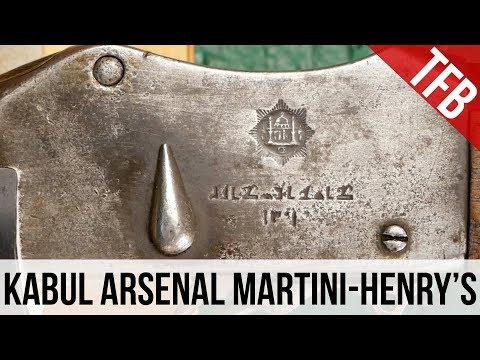
Online lecture | Rifles of the Iron Emir

Published on December 13, 2023
Duration: 70:05

This lecture delves into the history and output of the Kabul Arsenal, established by Amir Abdur Rahman Khan in late 19th century Afghanistan. It details the arsenal's role in modernizing Afghan arms manufacturing, focusing on the production of Martini-pattern rifles, artillery, ammunition, and coinage. The presentation highlights the technical challenges, the reliance on European expertise, and the eventual decline of the facility.

Quick Summary

The Kabul Arsenal, established by Amir Abdur Rahman Khan in the late 19th century, was a pivotal institution for Afghanistan's modernization. It produced approximately 33,000 Martini-pattern rifles, artillery, and ammunition, alongside coins from its integrated mint. This industrial complex introduced steam power and electricity, significantly bolstering the Afghan state's capabilities.

Chapters

  1. 05:33Introduction to Royal Armouries Lecture Series
  2. 08:27Introduction of Speaker Nick Jensen Jones
  3. 09:43Afghanistan Before Amir Abdur Rahman Khan
  4. 11:20History of Gunpowder Weapons in Afghanistan
  5. 14:38Sher Ali Khan's Modernization Attempts
  6. 16:52Amir Abdur Rahman Khan and State Consolidation
  7. 19:28Establishment of the Kabul Arsenal
  8. 23:55Local Reaction to Industrialization
  9. 26:06Kabul Arsenal Rifle Outputs: Martini Henry
  10. 33:49Martini Rifle Types 1 & 2 Production
  11. 34:23Martini Rifle Type 3 & 4 Production
  12. 36:23Martini Rifle Type 5: Refurbishment
  13. 37:38Martini Rifle Type 6: 303 Cartridge
  14. 39:44Martini Rifle Type 7: Martini Enfield Pattern
  15. 41:11Other Weapons Produced: Gatling, Maxim Guns
  16. 41:48Artillery Production at the Arsenal
  17. 43:36Ammunition Production: 577 450 Cartridges
  18. 45:03Kabul Arsenal Headstamps and Cartridges
  19. 46:30The Kabul Mint and Coinage Production
  20. 49:26Gunpowder Production in Afghanistan
  21. 50:43Other Products: Leather Goods, Furnishings
  22. 51:51Was the Kabul Arsenal a Success?
  23. 53:23Arsenal's Reliance on Imports and Decline
  24. 56:03Key Sources and Research Project
  25. 56:41Audience Q&A: Amir Abdur Rahman Khan's Role
  26. 58:25Q&A: Replica Guns and Tribal Areas
  27. 59:56Q&A: Iron and Steel Imports for Barrels
  28. 61:07Q&A: Astonishing Achievement of Barrel Making
  29. 62:13Q&A: Remnants of the Arsenal Site
  30. 63:46Q&A: How Rifles Left Afghanistan
  31. 64:54Contacting the Kabul Arsenal Research Project
  32. 65:23Concluding Remarks and Future Lectures

Frequently Asked Questions

What was the significance of the Kabul Arsenal in Afghan history?

The Kabul Arsenal, established by Amir Abdur Rahman Khan in the late 19th century, was crucial for modernizing Afghanistan's arms manufacturing. It enabled the production of firearms, artillery, and ammunition, significantly enhancing the state's capacity for defense, internal consolidation, and asserting regional power.

What types of rifles were produced at the Kabul Arsenal?

The Kabul Arsenal primarily produced Martini-pattern rifles, including variants based on the Martini-Henry, Martini-Metford, and Martini-Enfield designs. Seven major patterns were identified, catering to different roles like carbines and infantry rifles, chambered in calibers such as 577 450 and later 303 British.

How did the Kabul Arsenal contribute to Afghanistan's industrialization?

Beyond arms, the Kabul Arsenal complex, known as the 'Steam Workshops,' introduced modern industrial technologies like steam engines and electricity to Afghanistan. It also housed a mint for coinage and facilities for producing leather goods, furniture, and other essential items, marking a significant step towards industrialization.

What led to the decline of the Kabul Arsenal?

The arsenal's decline was multifaceted, stemming from the departure of crucial British engineers and skilled laborers, fuel shortages impacting steam-powered machinery, and a general lack of reinvestment. Political instability and the Third Anglo-Afghan War further contributed to its eventual obsolescence.

More General Videos You Might Like

More from Royal Armouries

View all →