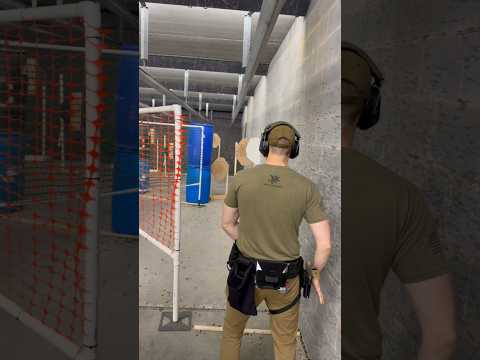
Practical Pistol Show 83- Whatever hopkins wants to talk about

Published on September 21, 2015
Duration: 37:46

This episode of the Practical Pistol Show features a discussion on expectations at major shooting matches, focusing on competitive equity and stage design. The hosts, including Ben Stoeger, Matt Hopkins, Nick, and Tim, delve into what makes a successful match, the importance of fair competition, and the impact of stage variety. They also address a viewer's question about improving speed while maintaining accuracy in competition, offering advice on practice drills and mindset.

Quick Summary

Competitive equity and stage design variety are paramount for successful major shooting matches. Ensuring fair conditions for all competitors and offering diverse stages that test various skills are crucial. For shooters aiming to increase speed, focus on improving splits, transitions, and efficiency in position, and practice at a faster pace to internalize that speed.

Chapters

  1. 00:00Introduction and Sponsor Plug
  2. 00:40Matt Hopkins' Expectations at Major Matches
  3. 06:24Matt's #1 Expectation: Competitive Equity
  4. 09:41#2 Expectation: Stage Design and Variety
  5. 13:34Where Matches Lag: Stage Diversity
  6. 15:54Craziest Competitive Equity Issue at Nationals
  7. 17:07Optional Reshoots and Rule Interpretation
  8. 18:57Deal Breakers at Matches
  9. 21:22Competitive Equity and Match Staff Issues
  10. 22:21Vacation Days and Match Selection
  11. 25:01Prize Table Shenanigans
  12. 26:03Personality-Driven Match Staff
  13. 27:47Viewer Shooting Question: Speed vs. Accuracy
  14. 28:53Improving Speed: It's Everything
  15. 30:37Advice for Faster Shooting
  16. 33:54Squatting Up with Faster Shooters
  17. 35:37Internalizing Fast Shooting Pace
  18. 37:21Show Wrap-up and Q&A Submission

Frequently Asked Questions

What are the most important factors for a successful major shooting match?

The most critical factors for a successful major shooting match are competitive equity, ensuring all participants face the same conditions and rules, and stage design variety. Stages should test a range of skills with a mix of short, medium, and long courses, rather than being repetitive. Proper stage construction and adherence to rules by match staff are also vital to prevent issues like non-falling targets.

How can a competitive shooter improve their speed without sacrificing accuracy?

To improve speed, focus on reducing time spent in position by being ready to shoot as soon as you acquire the sights. Practice running stages at a pace 10% faster than your current match pace, even if it means taking misses, to understand that speed. Analyzing faster shooters and emulating their splits and transitions is also key.

What constitutes a deal-breaker at a shooting competition?

A significant deal-breaker at a shooting match is a competitive equity issue, especially if the match staff dismisses or fails to address the problem. This could involve unfair advantages due to stage construction flaws or inconsistent rule application, particularly if the staff shows indifference to the fairness of the competition.

Why is stage design variety important in shooting competitions?

Stage design variety is important because it tests a wider range of shooting skills and prevents matches from becoming monotonous. A good mix of short, medium, and long courses ensures that shooters are challenged in different ways, rather than repeatedly engaging similar target arrays or scenarios.

More Range & Competition Videos You Might Like

More from Ben Stoeger

View all β†’