The TRUTH About the Russian Ammo Ban

Published on August 31, 2021
Duration: 11:36

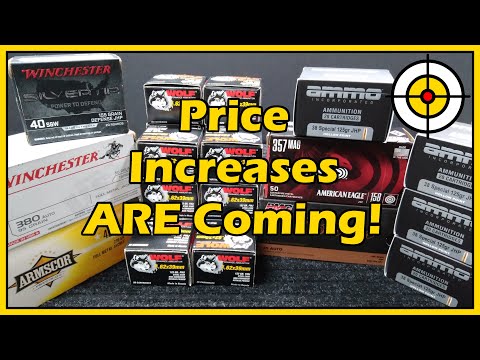
This video provides an expert analysis of the Biden administration's sanctions on Russian-made ammunition. It details the significant impact on the US market, particularly for calibers like 7.62x39mm and 5.45x39mm, which constitute a substantial portion of imported rounds. The analysis highlights that while the ban is significant, existing approved import forms may continue to supply the market for some time, and other European countries can potentially fill the void. It also touches on the potential for increased domestic ammunition production as an unintended consequence.

Quick Summary

The Biden administration's sanctions ban the importation of Russian-made ammunition, impacting roughly 22% of US imports (765 million rounds in 2020). While this raises prices for calibers like 7.62x39mm, existing import permits will allow some Russian ammo to continue entering the US for up to 24 months, and alternative European and domestic sources exist.

Frequently Asked Questions

What is the impact of the Russian ammunition ban on US shooters?

The ban significantly affects the supply of Russian-made ammunition, particularly for calibers like 7.62x39mm and 5.45x39mm, which constitute a large portion of imports. This has led to increased prices and potential scarcity for these and other common calibers like 9mm and .223.

How much ammunition did the US import from Russia before the ban?

In 2020 alone, the United States imported approximately 765 million rounds of ammunition from Russia. This represented about 22% of the total 3.5 billion rounds imported that year, making Russia the number one supplier.

Will Russian ammunition completely disappear from the US market immediately?

No, the ban targets new import applications. Existing approved import permits can allow Russian ammunition to continue entering the US for up to 12-24 months, providing a gradual transition rather than an immediate cutoff.

Are there alternative sources for ammunition affected by the Russian ban?

Yes, other European countries like Serbia, Hungary, Czech Republic, Romania, and Ukraine continue to manufacture and export similar Com-Bloc calibers. Domestic US manufacturers are also expected to increase production.

More General Videos You Might Like

More from Brandon Herrera

View all →