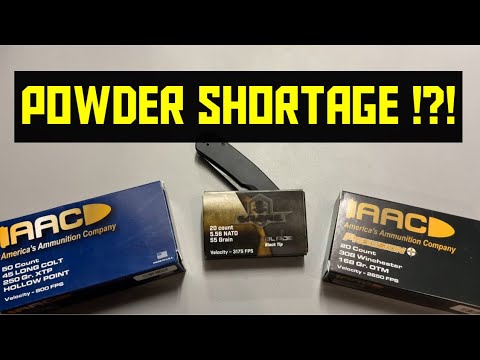
U.S. Ammo Industry in Crisis: 3 Major Failures Explained

Published on September 24, 2025
Duration: 12:51

The US ammunition industry is experiencing a significant downturn characterized by collapsing companies, overstocked shelves, and a sharp decline in consumer demand. This crisis stems from a combination of factors including the burnout of panic buying cycles, economic fatigue impacting consumer spending, and a supply-side overreaction to anticipated demand. Import tariffs on foreign ammunition have further complicated the market, leading to unsold inventory and financial distress for manufacturers and distributors alike. While some smaller companies are folding, larger players with diverse revenue streams and military contracts are adapting, and new domestic production facilities are being established to reduce foreign reliance. The military's increasing demand, coupled with a strained industrial base, presents a contrasting challenge, highlighting a disconnect between civilian oversupply and military undersupply.


Quick Summary

The US ammunition industry is in crisis due to collapsing companies, overstocked shelves from overproduction, and a significant drop in consumer demand driven by economic fatigue and the end of panic buying cycles. Import tariffs have further exacerbated the situation, leaving many companies financially distressed.

Frequently Asked Questions

What are the main reasons for the current crisis in the US ammunition industry?

The US ammo industry crisis is driven by three main failures: collapsing companies, overstocked shelves due to overproduction, and a market that has gone 'ice cold' with significantly reduced consumer demand. Economic fatigue and the burnout of panic buying cycles have led to a structural drop in consumer activity.

How have import tariffs affected the US ammunition market?

Federal import tariffs, ranging from 25% to 37%, on ammunition from countries like South Korea, Serbia, and Bosnia have significantly increased costs. This created a situation where importers were left with millions of rounds that no longer made financial sense to sell at pre-tariff prices when demand also cooled.

Which ammunition companies are facing financial difficulties?

Several companies are struggling, including Ammo, Inc., which posted an $18.7 million net loss and risks delisting. Atlanta Arms entered financial restructuring after sales dropped over 40%, and CCI Industries ceased in-house cartridge production due to unsustainable costs.

How is the US military's demand for ammunition impacting the industry?

The US military, particularly the Navy, has faced critical shortages, burning through munitions at a high rate. This increased demand strains a fragmented and financially unstable industry that scaled down production when civilian demand cooled, making rapid scaling difficult.

What advice is given to shooters regarding the current ammunition market?

Shooters are advised to assess their needs and buy strategically, taking advantage of current low prices for common calibers like 9mm and 5.56. However, they should also be aware that this surplus is unsustainable, and niche or defensive rounds may see reduced availability or price corrections.

More General Videos You Might Like

More from Line45

View all →