Virtual Tour of the Excavation at DigHill80

Published on July 15, 2018
Duration: 17:32

This video provides a virtual tour of the DigHill80 excavation site, focusing on its strategic importance during World War I. The site offers a 180-degree view of the battlefield, crucial for German forces who occupied it after fighting the French. The tour highlights the remnants of a windmill, steam engine, and various defensive structures, including 1914, 1917, and 1918 trenches. The excavation has uncovered personal equipment and weapons from French, German, and British forces, offering insights into the rapid withdrawals and intense fighting that occurred in the area.

Quick Summary

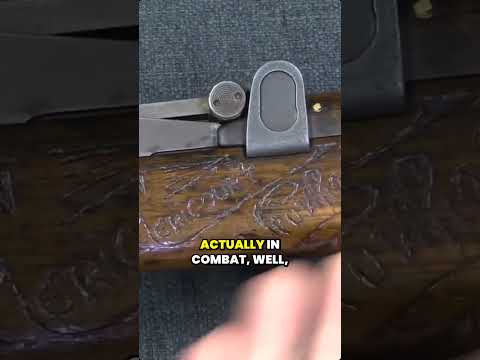
The DigHill80 excavation site was strategically important during WWI, providing German forces with a 180-degree view of the battlefield. The site features trenches from 1914, 1917, and 1918, along with integrated cellar bunkers. Recovered firearms include French Lebel, German Mauser, and British Lee-Enfield rifles, plus a 1917 Webley & Scott flare gun.

Chapters

  1. 00:08Welcome to DigHill80 Excavation
  2. 00:44Strategic Importance of the Site
  3. 01:42Pre-War Structures: Windmill and Steam Engine
  4. 02:28German Defensive Development
  5. 03:031914 Trench and Lake
  6. 04:23Remains of the Fighting Trench
  7. 05:441917 German Trench Addition
  8. 06:301918 British Trench and Abandoned Equipment
  9. 07:30German Use of Original Cellars as Strongholds
  10. 08:23Storage Barn Bunker Conversion
  11. 10:58Millers House and British Tunnel
  12. 12:14Original Pavement and Site Connections
  13. 12:38Showcasing Excavated Weapons and Finds
  14. 14:29Weapons from Three Nations
  15. 15:55Exquisite Flare Gun Find
  16. 16:37Conclusion and Thanks

Frequently Asked Questions

What was the strategic importance of the DigHill80 site during World War I?

The DigHill80 site was strategically vital because it offered German forces a commanding 180-degree overview of the battlefield and the front lines. This elevated position allowed for crucial observation and defense of the surrounding areas.

What types of trenches were found at the DigHill80 excavation?

The DigHill80 site revealed remnants of trenches from different periods of WWI, including a 1914 trench that originally encircled a lake, a larger German fighting trench system, a 1917 German trench addition, and a 1918 British trench.

What firearms were recovered from the DigHill80 excavation?

The excavation at DigHill80 yielded firearms from three different nations: a French Lebel rifle, a German Mauser rifle, and a British Short Magazine Lee-Enfield (SMLE) rifle. A Webley & Scott flare gun from 1917 was also found.

How did German forces utilize existing structures at DigHill80?

German forces integrated pre-existing structures into their defenses. They used original cellars of buildings as part of their stronghold and trench system, with one cellar notably converted into a bunker reinforced with concrete blocks.

More General Videos You Might Like

More from Forgotten Weapons

View all →