A Custom Shotgun Fitting with Dr. Shotgun: GunVenture| S2 E1 P3

Published on October 7, 2017
Duration: 5:31

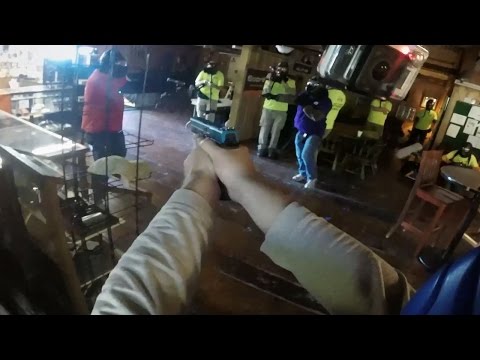
This video details a professional shotgun fitting process led by Bryan Bilinski, known as 'Dr. Shotgun.' The expert guide covers initial measurements, the use of an adjustable 'Try Gun,' and range testing to ensure a shotgun shoots precisely where the shooter looks. A properly fitted gun is crucial for confidence and success in wingshooting.

Quick Summary

A custom shotgun fitting ensures your firearm shoots precisely where you aim, crucial for wingshooting success. The process involves measuring stock dimensions, using an adjustable 'Try Gun' for adjustments, and verifying point-of-impact on patterning plates. Expert Bryan 'Dr. Shotgun' Bilinski emphasizes this for shooter confidence.

Chapters

  1. 00:00Introduction to Gun Fitting
  2. 00:34Initial Measurements and Assessment
  3. 01:22The Try Gun
  4. 01:59Range Testing and Patterning
  5. 03:45Final Assessment and Confidence

Frequently Asked Questions

What is the primary goal of shotgun fitting?

The primary goal of shotgun fitting is to ensure the shotgun shoots exactly where the shooter is looking, optimizing accuracy and consistency for wingshooting. This involves adjusting stock dimensions to match the shooter's physique and mounting style.

What tools are used in a professional shotgun fitting?

Professional shotgun fittings typically involve specialized calipers for precise stock measurements, a 'Try Gun' with an adjustable stock for on-the-fly modifications, and patterning equipment like steel plates to verify the point-of-impact.

Why is eye dominance important in shotgun fitting?

Eye dominance is a critical initial step in shotgun fitting because it determines which eye the shooter naturally uses for aiming. Adjustments are then made to accommodate this dominance, ensuring the gun aligns with the dominant eye's line of sight.

How is the point-of-impact verified during a gun fitting?

The point-of-impact is verified by having the shooter fire the fitted shotgun at patterning plates or targets. The resulting shot pattern's location relative to the intended point of aim provides visual feedback for further stock adjustments.

More Gunsmithing & DIY Videos You Might Like

More from Gun Talk Media

View all →