Anvil 041: Kammerlader Stock Refurbishment

Published on May 4, 2020
Duration: 36:02

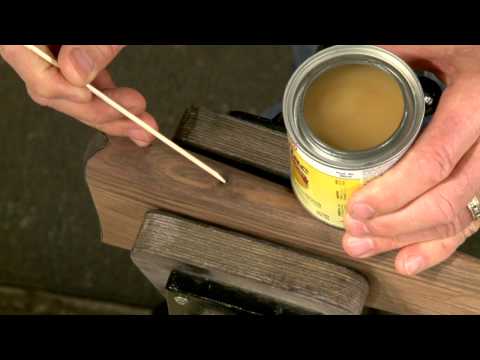
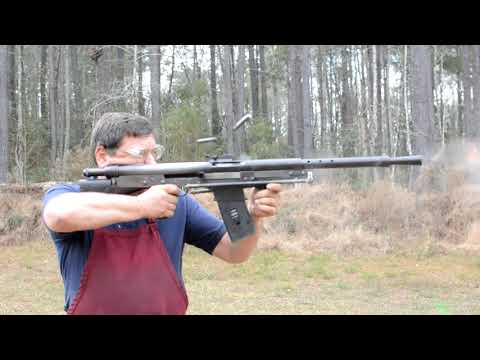
This video details the intricate process of refurbishing the wooden stock of a Kammerlader firearm, focusing on repairing significant cracks and reinforcing structural weaknesses. The instructor, Mark Novak, demonstrates advanced gunsmithing techniques involving precise drilling, the strategic use of specialized screws, and the application of epoxy to ensure the stock can withstand the pressures of firing. The process emphasizes meticulous attention to detail to restore both the integrity and appearance of the antique firearm stock.

Quick Summary

Advanced gunsmithing techniques are demonstrated for repairing a Kammerlader firearm stock, focusing on crack reinforcement. The process involves using flat-headed screws, precise drilling to minor and major diameters, and applying AcuraGlass epoxy. Key steps include creating glue escape holes for complete penetration and ensuring screws are countersunk below the stock line for a clean finish.

Chapters

  1. 00:05Introduction to Stock Restoration
  2. 00:55Prioritizing Wood Repair
  3. 02:41Analyzing Stock Damage and Theory
  4. 03:15Removing Old Epoxy and Screws
  5. 04:06Selecting Appropriate Reinforcement Screws
  6. 04:42Marking Screw Placement
  7. 05:01Drilling for Screw Placement
  8. 06:00Examining Stock Divots and Weak Points
  9. 06:42Identifying Previous Repairs
  10. 07:00Pilot Drilling and Countersinking
  11. 07:11Reinforcing the Tang Area
  12. 07:43Wood Screw Theory Explained
  13. 08:19Screw Diameters: Minor vs. Major
  14. 09:20Clamping Wood Pieces with Screws
  15. 10:02Pre-drilling and Minor Diameter Holes
  16. 10:51Drilling Glue Escape Holes
  17. 11:27Major Diameter Hole Drilling
  18. 11:41Using a Forstner Bit for Screw Seats
  19. 14:22Screw Length Adjustment and Threading
  20. 15:13Driving Screws and Checking Depth
  21. 16:12Pre-threading Holes and Monitoring Break-through
  22. 16:48Torque Application and Screw Draw-up
  23. 17:07Testing Crack Draw-up
  24. 17:27Inlaying Walnut for Aesthetic Repair
  25. 18:00Pointing Screw Holes for Better Inletting
  26. 19:06Driving Screws and Observing Compression
  27. 19:46Reinforcing the Tang Area Screw
  28. 20:10Addressing Propagating Cracks
  29. 20:30Drilling Towards the Tang
  30. 20:58Drilling from Both Ends for Alignment
  31. 21:42Securing the Stock for Drilling
  32. 21:53Pleasant Surprise: Hole Alignment
  33. 22:05Preparing for Screw Head Recess
  34. 22:39Screw Head Seating Depth
  35. 23:21Using Masking Tape as a Drill Depth Indicator
  36. 24:12Switching Bits and Low-Speed Drilling
  37. 24:47Assessing Original Finish vs. Refinishing
  38. 25:05Preparing for Epoxy Application
  39. 25:20Final Screw Placement and Torque
  40. 25:35Glassing and Cosmetic Work
  41. 26:05Multi-Format Video Approach
  42. 26:29Sanding, Redyeing, and Waxing
  43. 26:44Drilling Glue Escape Holes and Spreading Cracks
  44. 27:06Applying Glue to the Joint
  45. 27:14Dealing with Non-Original Finish
  46. 27:27Multi-Step Glassing Process
  47. 28:14Pushing Glue into the Joint
  48. 29:01Rolling Screws in Epoxy
  49. 29:27Using Screws as Archimedes Screws for Glue Application
  50. 30:00Packing Glue into Holes
  51. 30:32Removing Wedge to Prevent Glue Escape
  52. 30:51The Messy Reality of Gunsmithing
  53. 31:37Observing Glue Squeeze-out
  54. 31:50Working on the Other Side
  55. 33:05Third Screw Secured
  56. 33:09Screeding Off Excess Epoxy
  57. 33:48Examining Epoxy Blowout
  58. 34:33Clean-out and Epoxy Fingerprints
  59. 34:45Caution with Epoxy Application
  60. 35:23Conclusion of the Day's Work

Frequently Asked Questions

What is the primary method used to reinforce a cracked firearm stock in this video?

The primary method involves drilling pilot holes for specialized flat-headed screws. These screws are then driven into the cracked areas after applying epoxy, effectively pulling the wood pieces together and reinforcing the structural integrity of the stock.

Why is it important to use flat-headed screws when repairing a gun stock?

Flat-headed screws are crucial because they do not exert a wedging force on the wood as they are driven in. This prevents them from further splitting or damaging the already compromised stock, unlike screws with tapered or fluted heads.

What is a 'glue escape hole' and why is it necessary in stock repair?

A glue escape hole is a small vent drilled into the stock during repair. Its purpose is to allow air to escape as epoxy is injected into a crack or void, ensuring the adhesive completely fills the area and creates a strong, solid bond.

What type of epoxy does the instructor recommend for firearm stock repairs?

The instructor specifically recommends AcuraGlass for firearm stock repairs. While acknowledging it can be a messy material to work with, he highlights its strength and effectiveness in creating durable bonds for structural repairs.

More Gunsmithing & DIY Videos You Might Like

More from Mark Novak

View all →