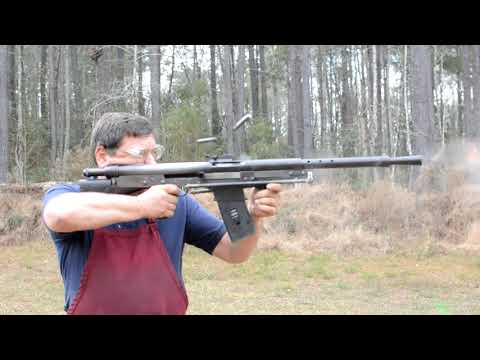
Anvil 060: Luger ReStraw

Published on December 18, 2020
Duration: 17:47

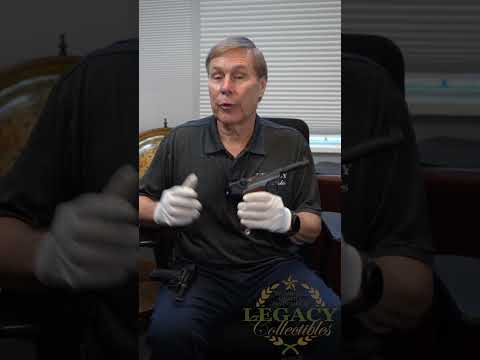
This video details the process of restoring a Luger pistol's finish, specifically addressing issues caused by improper hot dip and cold bluing. The instructor demonstrates how to strip the old finish, polish the metal, and apply a straw temper color using a hot salts bath. He also explains the function of the Luger's firing control and safety mechanisms, highlighting common failure points.

Quick Summary

To achieve a straw temper color on a firearm trigger, immerse polished components in a hot salts bath (like potassium nitrate) heated to approximately 460-470°F. This process requires careful temperature control and neutralization of salts afterward to prevent rust.

Frequently Asked Questions

What is the correct temperature range for straw bluing a firearm trigger?

For achieving a straw temper color on a firearm trigger, the ideal temperature range is typically between 460 and 470 degrees Fahrenheit. This process involves immersing polished metal components into a hot salts bath, such as molten potassium nitrate.

What are the common mistakes made during firearm bluing processes?

Common mistakes include failing to neutralize salts after hot dip bluing, leading to rust. Excessive polishing can round edges and obliterate markings. Using cold bluing when temper colors are desired is also incorrect. Improperly fitted parts, like using hardware store lock washers, indicate past repair issues.

How does the Luger's safety mechanism function?

The Luger's safety mechanism works by a bar that comes up over the top of the sear's pivoting piece. This prevents the sear from rotating, thereby blocking the trigger mechanism and theoretically making the firearm unable to fire when the safety is engaged.

What is the difference between hot dip bluing and rust bluing?

Hot dip bluing creates a durable, often shiny finish by immersing parts in hot chemicals. Rust bluing, a slower process, produces a more subdued, iridescent bluish-black finish that is generally considered more appropriate for historical firearms like the Luger.

More Gunsmithing & DIY Videos You Might Like

More from Mark Novak

View all →