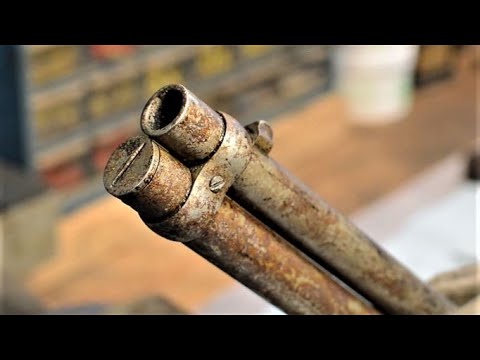
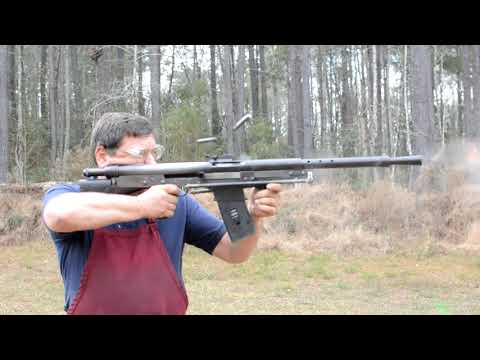
Anvil 081: Winchester Model 12 Conservation

Published on April 18, 2020
Duration: 48:40

This guide details the conservation process for a Winchester Model 12, as demonstrated by gunsmith Mark Novak. It covers disassembly, rust conversion via boiling, wood finishing with Watco Danish Oil, internal lubrication with SAE 30 oil, and reassembly. The process aims to stop decay and restore functionality without altering the historical finish. Novak's expertise in historical firearm conservation is evident throughout the meticulous procedure.


Quick Summary

Firearm conservation for the Winchester Model 12 involves stopping decay by converting rust to stable black oxide through boiling, preserving historical markings on the wood, and using SAE 30 oil for lubrication. The process aims for a functional, field-ready state without a modern finish, as expertly demonstrated by gunsmith Mark Novak.

Chapters

  1. 00:00Introduction and Historical Context
  2. 01:08Conservation vs. Refurbishment
  3. 02:33Disassembly and Inspection
  4. 05:10Boiling and Conversion Process
  5. 06:56Wood Conservation Techniques
  6. 12:08Oiling and Internal Maintenance
  7. 16:15Technical Deep Dive: Bolt and Interlock
  8. 19:09Headspace and Interrupted Threads
  9. 23:57Reassembly and Reference Material
  10. 31:16Range Testing and 'Speed Rock'

Frequently Asked Questions

What is the primary goal of firearm conservation as demonstrated for the Winchester Model 12?

The primary goal of firearm conservation, as shown for the Winchester Model 12, is to halt decay and environmental damage, returning the firearm to a functional, field-ready state without applying a modern, 'glitzy' finish. It focuses on preserving the gun's historical integrity.

How is rust converted into a stable finish on the Winchester Model 12?

Rust is converted by boiling the disassembled metal parts in a specialized solution for 30-45 minutes. This process transforms active red rust into stable black oxide (magnetite), effectively stopping further corrosion and creating a protective finish.

What lubrication is recommended for internal parts during Winchester Model 12 conservation?

Non-detergent SAE 30 small engine oil is recommended for lubricating internal parts and the receiver. It's applied with a toothbrush, and excess oil should be blown out from the fire control group to prevent issues in cold weather.

What is the 'Speed Rock' feature on the Winchester Model 12?

The 'Speed Rock' feature, also known as slam fire, allows the Winchester Model 12 to fire as soon as the bolt closes, provided the trigger is held down during the cycling of the action. This is demonstrated during test firing.

Related News

All News →

More Gunsmithing & DIY Videos You Might Like

More from Mark Novak

View all →