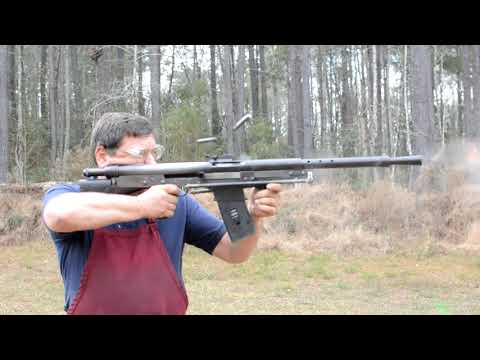
Anvil 101: Walther P 38 Fire Recovery

Published on July 23, 2021
Duration: 39:18

This guide details the expert gunsmithing process of restoring a Walther P.38 damaged by fire, as demonstrated by Mark Novak. It covers meticulous disassembly, specialized conservation techniques like rust conversion via boiling, careful reassembly of complex internal mechanisms, and replacement of critical components like springs. The video concludes with a successful live-fire test, proving the firearm's salvageability through skilled intervention.

Quick Summary

Expert gunsmith Mark Novak demonstrates the restoration of a fire-damaged Walther P.38. The process includes meticulous disassembly, specialized conservation via boiling for rust conversion, manual removal of melted plastic, and careful reassembly of complex internal mechanisms. Replacement of heat-weakened springs with Wolff Gunsprings is crucial, followed by function checks and a successful live-fire test.

Chapters

  1. 00:00Introduction to the Fire-Damaged P.38
  2. 01:09Initial Disassembly and Magazine Removal
  3. 05:04Removing the Slide and Hammer
  4. 08:03Internal Component Extraction
  5. 11:36Conservation and Cleaning
  6. 13:34Reassembly of the Action
  7. 16:26Final Bench Checks and Spring Replacement
  8. 18:25Range Testing and Conclusion

Frequently Asked Questions

How can a fire-damaged Walther P.38 be restored?

Restoration involves careful disassembly, cleaning using specialized techniques like boiling for rust conversion, manual removal of melted debris, and meticulous reassembly. Weakened springs, often damaged by heat, must be replaced with new ones, followed by function checks and a live-fire test to confirm operability.

What conservation techniques are used for fire-damaged firearms?

A key technique is boiling metal parts in water to convert active red rust into stable black oxide. Melted plastic residue is then manually removed with tools like chisels and scrapers to preserve the underlying finish.

Why are springs critical in restoring a fire-damaged pistol?

Heat from a fire can cause springs to lose their temper, weakening them significantly. This can prevent proper cycling, slide lock-back, or magazine feeding. Replacing these springs with new, quality ones like Wolff Gunsprings is essential for reliable function.

What are the challenges in disassembling a fire-damaged pistol like the Walther P.38?

Melted grips can glue the action shut, making parts like the magazine or slide difficult to remove. Stuck components may require careful application of heat and mechanical force, always prioritizing the avoidance of damage to delicate internal parts.

Related News

All News →

More Gunsmithing & DIY Videos You Might Like

More from Mark Novak

View all →