Browning Hi Power Pistol

Published on October 11, 2011
Duration: 7:21

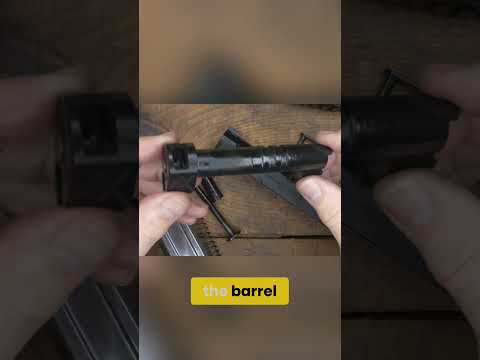
This guide details the field stripping and reassembly process for the Browning Hi Power pistol, a classic 9mm design. It covers removing the slide stop, recoil spring, and barrel, followed by reassembly. The video emphasizes the importance of safety during these procedures, as demonstrated by an expert with high authority.

Quick Summary

The Browning Hi Power, John Browning's final design refined by Dieudonné Saive, is the oldest 9mm pistol still in production. It features a steel frame, 13+1 capacity, and the Practical Model includes an ambidextrous safety and commander-style hammer. It's not recommended for +P ammo due to its slide design.

Chapters

  1. 00:00Introduction: Browning Hi Power
  2. 00:51History and Design
  3. 01:09Military Service
  4. 01:49Ammunition and Construction
  5. 02:17Capacity and Ergonomics
  6. 04:08Practical Model Features
  7. 04:47Caliber Variations
  8. 05:08Disassembly and Reassembly

Frequently Asked Questions

What is the history behind the Browning Hi Power pistol?

The Browning Hi Power is the final design by John Browning, completed and refined by Dieudonné Saive of FN Herstal in Belgium after Browning's death. It is recognized as the oldest 9mm design still in production and has a significant history of global military use.

What are the key features of the Browning Hi Power Practical Model?

The Practical Model shown features an ambidextrous safety, a commander-style hammer to prevent hammer bite, Pachmayr grips, a nickel-coated frame, and a baked-on Teflon finish, enhancing its ergonomics and aesthetics.

Can the Browning Hi Power safely use +P ammunition?

No, the Browning Hi Power is not recommended for +P ammunition. This is due to its thinner slide design, which could be stressed or damaged by the higher pressures associated with +P rounds.

How do you field strip the Browning Hi Power?

Field stripping involves ensuring the pistol is unloaded, removing the slide stop, pulling the slide back slightly, removing the recoil spring assembly, and then removing the barrel. Reassembly is the reverse process.

Related News

All News →

More Gunsmithing & DIY Videos You Might Like

More from sootch00

View all →