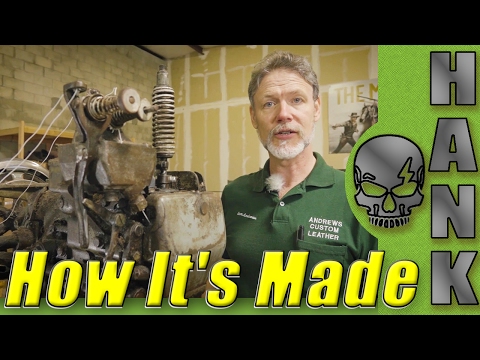
Carjacker Holster : This Is How It's Made With Andrews Custom Leather

Published on August 2, 2022
Duration: 35:49

This guide details the expert-level construction of the Andrews Custom Leather Carjacker holster, as demonstrated by master craftsman Sam Andrews. It covers advanced leatherworking techniques, including pattern tracing, specialized cutting, hardware installation, intricate stitching with vintage machinery, precise wet molding using a hydraulic press, and meticulous finishing processes for a durable and functional cross-draw holster designed for vehicle use.

Quick Summary

Master craftsman Sam Andrews of Andrews Custom Leather demonstrates the intricate process of building a Carjacker cross-draw holster. Techniques include specialized leather cutting, using vintage stitching machinery, precise wet molding with a hydraulic press, and detailed finishing steps for a high-quality, durable holster designed for vehicle carry.

Chapters

  1. 00:00Introduction to the Carjacker Holster
  2. 02:18Pattern Tracing and Cutting
  3. 04:06Hardware Installation and Lining
  4. 08:22Stitching and Edge Preparation
  5. 15:06Assembly and Wet Molding
  6. 23:56Finishing: Dye, Oil, and Sealant
  7. 28:58Final Hardware and Assembly

Frequently Asked Questions

What is the primary purpose of the Carjacker holster?

The Carjacker holster was originally designed for law enforcement use in vehicles, allowing for a quick and efficient draw while the user is seated. Its unique angle and wrap-around belt attachment facilitate easy removal and deployment in a vehicle environment.

What specialized tools are used in the Carjacker holster construction?

The construction involves specialized tools such as a vintage Landis 16 stitching machine, a 30-ton hydraulic press for molding, a power slicker for edge finishing, and custom wooden tools for fine detailing, alongside standard leatherworking tools like X-Acto knives and groovers.

How is the firearm's finish protected within the Carjacker holster?

A suede lining is applied to the interior of the holster to protect the firearm's finish from scratches and abrasion. Additionally, careful molding and finishing ensure a smooth interior surface.

What finishing steps are crucial for the durability and appearance of the Carjacker holster?

Key finishing steps include applying a custom edge coat, oiling with a neatsfoot oil compound for color, and sealing with an acrylic resolene sealer applied via airbrush. These steps ensure a professional, durable, and aesthetically pleasing final product.

More Gunsmithing & DIY Videos You Might Like

More from Hank Strange

View all →