Converting a Winchester 1885 Low Wall from Rimfire to Centerfire | MidwayUSA Gunsmithing

Published on December 9, 2013
Duration: 8:31

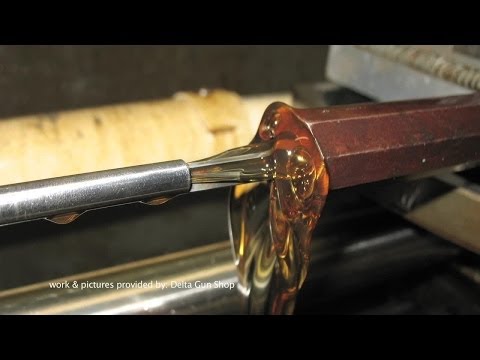
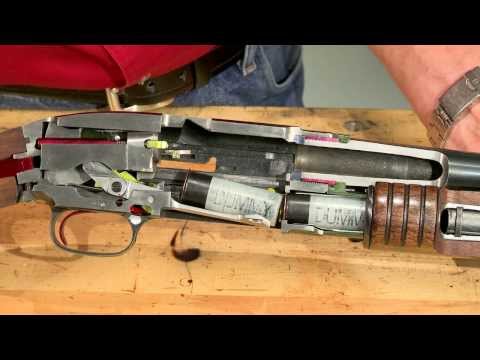
This video details the complex process of converting a Winchester 1885 Low Wall from .32 Rimfire to .357 Magnum. It covers plugging the original firing pin hole, fabricating a new centerfire pin and bushing, drilling a safety vent, modifying the extractor, and re-reaming the chamber. Crucially, it addresses timing issues by fabricating a custom link to adjust breech block height for proper primer strikes.

Quick Summary

Converting a Winchester 1885 from rimfire to centerfire involves plugging the original firing pin hole, drilling a new one with a custom bushing, and fabricating a new firing pin. Timing issues are resolved by creating a custom link to adjust breech block height, ensuring centered primer strikes.

Chapters

  1. 00:00Project Intro: Rimfire to Centerfire Conversion
  2. 00:44Plugging the Rimfire Firing Pin Hole
  3. 02:09Fabricating a New Centerfire Firing Pin
  4. 03:30Safety Vent & Extractor Mods
  5. 04:45Troubleshooting Primer Strike Issues
  6. 05:52Fabricating a Custom Link for Timing
  7. 07:28Case Hardening & Final Testing

Frequently Asked Questions

How is the original rimfire firing pin hole modified for a centerfire conversion on a Winchester 1885?

The rimfire firing pin hole is first drilled out. Then, it's tapped for an 8x40 screw, which is installed using green Loctite. Finally, the screw is filed and stoned flush with the breech block face to prepare for the new centerfire pin.

What is done to ensure proper firing pin alignment during a rimfire to centerfire conversion?

A custom bushing is used when drilling the new centerfire hole to ensure precise alignment. This is critical for the new firing pin to function correctly and strike the primer accurately.

How can timing issues affecting primer strikes be resolved in a rifle conversion?

Timing issues, like a firing pin striking too low, can be corrected by adjusting the relationship between the finger lever and the breech block. This often involves fabricating a new, custom-length link to alter the breech block's position.

Why is a safety vent hole drilled into the breech block during this conversion?

A small vent hole (typically 5/64") is drilled into the breech block to provide a path for escaping gases. This is a safety measure to vent pressure away from the shooter in the event of a pierced primer.

Related News

All News →

More Gunsmithing & DIY Videos You Might Like

More from MidwayUSA

View all →