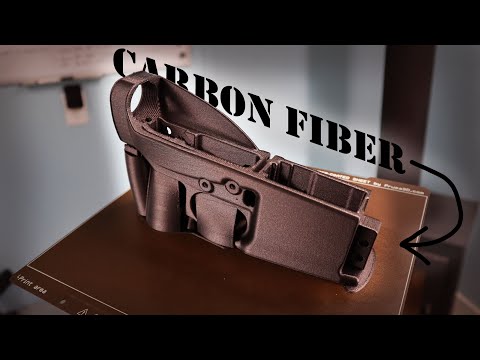
Designing Built In Supports For 3D Printing | A Brief Intro

Published on June 11, 2022
Duration: 30:46

This video provides an expert-level overview of designing built-in support structures for 3D printed parts, focusing on mechanical components like firearm receivers. The instructor, with extensive experience in designing for 3D printing, details techniques such as controlled bridging, stair-stepping via angled printing, and the design of 'support stubs' and 'support structures'. Key principles include minimizing support needs through optimized overhangs, ensuring easy removal, and designing for reliable printing, particularly for parts intended for mass production.

Quick Summary

Built-in support in 3D printing is ideal for mechanical parts, simplifying printing and improving quality by minimizing difficult-to-remove supports. Key techniques include designing parts with overhangs over 35 degrees, using stair-stepping via 10-degree printing angles, and implementing controlled bridging with minimal support lines for easier removal.

Chapters

  1. 00:00Introduction to Built-In Support
  2. 00:30Origins of Built-In Support
  3. 00:54When to Use Built-In Support
  4. 01:16What Built-In Support is Good For
  5. 02:50Examples of Built-In Support
  6. 03:49Easy Case: Stair-Stepped Ledge
  7. 04:29The Importance of 10-Degree Angle
  8. 05:24Controlled Bridging vs. Generated Support
  9. 06:08Filament Bridging Capabilities
  10. 06:25Improved Support Design with Fins
  11. 07:17Why Controlled Bridging is Crucial
  12. 08:19Tilting for Simpler Support
  13. 09:29Support Stubs Explained
  14. 11:10Basic Design Rules for Stubs
  15. 12:56Designing the Support Structure
  16. 13:18Favorite Support Structure Design
  17. 13:37Support Material Width
  18. 15:27Platform Support Example
  19. 17:05Independent Support Lines
  20. 18:02Trigger Guard Support Design
  21. 19:47Magazine Catch Area Support
  22. 20:24Overhang Design for Holes
  23. 21:09Teardrop Hole Design
  24. 22:20Latest LR308 Lower Design
  25. 22:31Trigger Guard Area Details
  26. 23:00Problematic Overhang Angles
  27. 23:35Avoiding Curling Overhangs
  28. 24:34Stair Steps for Support Simplification
  29. 26:35Complex Stair Step Area Support
  30. 27:20Summary of Design Rules
  31. 27:56Support Stub Separation and Width
  32. 28:56Avoiding Support Built Off Parts
  33. 30:023D Printing Limitations
  34. 30:37Conclusion and Thanks

Frequently Asked Questions

What is the primary benefit of using built-in support in 3D printing?

The primary benefit of built-in support is to simplify the printing process and improve the quality of the final part by minimizing the need for difficult-to-remove, slicer-generated support material. It's particularly useful for repeatable production of mechanical components.

How can I design my 3D printed parts to require less support material?

To reduce support needs, design parts with overhangs greater than 35 degrees, utilize stair-stepping techniques by printing at slight angles (like 10 degrees), and incorporate features like chamfered holes that allow for bridging without support.

What are 'support stubs' in 3D printing design?

Support stubs are the specific parts of the built-in support structure that directly interface with the 3D model. They are designed to follow the contour of the part, offset by a small distance, to provide precise support where needed while facilitating easier removal.

What is 'controlled bridging' in the context of 3D printing supports?

Controlled bridging is a technique where minimal support lines are designed to span short gaps, allowing the filament to bridge across them. This is more efficient and results in easier support removal compared to dense, generated supports that cover large areas.

What overhang angles should I avoid when designing for 3D printing?

You should generally avoid overhang angles between approximately 15 and 35 degrees, as these can lead to curling and poor surface finish. Aim for angles below 15 degrees, which are fully supported, or above 35 degrees, which can typically print without support.

More Gunsmithing & DIY Videos You Might Like

More from Hoffman Tactical

View all →