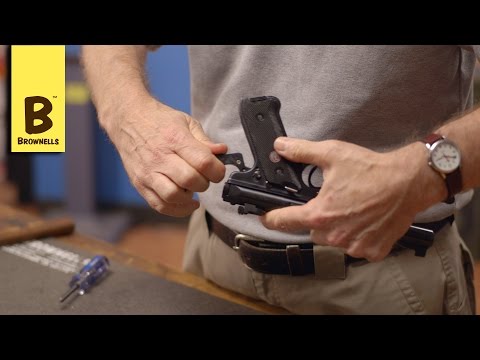
Firearm Maintenance: Ruger Mark I,II,III Lubrication – Part 3/4

Published on July 25, 2014
Duration: 1:03

This guide details the proper lubrication procedures for Ruger Mark I, II, and III pistols, as demonstrated by an expert from Brownells. It covers applying oil to the bolt, mainspring housing, trigger mechanism, and metal-to-metal contact points, emphasizing the use of a needle oiler for precision and warning against over-lubrication which can attract fouling and impede function.

Quick Summary

Proper lubrication for Ruger Mark I, II, and III pistols involves applying a light film of oil to the bolt and a single drop to the mainspring housing plunger. Use a needle oiler for precise application to the trigger and hammer mechanisms, and to internal metal-to-metal contact points showing wear. Avoid over-lubrication, as excess oil attracts fouling and can impede function.

Chapters

  1. 00:00Introduction to Lubrication
  2. 00:05Bolt and Mainspring Housing Lubrication
  3. 00:13Oiling Trigger and Hammer
  4. 00:19Lubricating Metal-to-Metal Contact Points
  5. 00:26Warning: Over-Lubrication
  6. 00:32Conclusion and Next Steps

Frequently Asked Questions

How should I lubricate the bolt on a Ruger Mark I, II, or III pistol?

Ruger recommends applying a light film of oil to the bolt assembly. This ensures adequate lubrication and helps prevent rust on this critical moving part of the pistol.

What is the correct way to lubricate the trigger mechanism of a Ruger Mark pistol?

For the trigger or hammer mechanisms, it's best to use a needle oiler. This allows for precise application of a small amount of oil directly to the necessary internal locations without over-saturating the area.

What are the risks of over-lubricating a Ruger Mark pistol?

Over-lubricating your Ruger Mark pistol can be detrimental. Excess oil attracts fouling and debris, which can interfere with the safe and reliable function of the firearm.

Where should I apply oil to internal metal-to-metal contact points on my Ruger Mark pistol?

Inspect the internal metal-to-metal contact points for signs of wear. Applying a single drop of oil to these specific areas will help minimize friction during operation.

Related News

All News →

More Gunsmithing & DIY Videos You Might Like

More from Brownells, Inc.

View all →