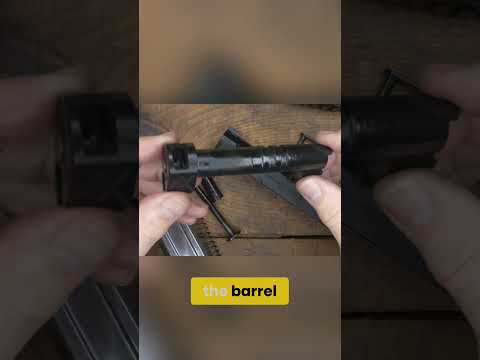
Firearm Maintenance: SKS Cleaning, Part 2/4

Published on February 18, 2014
Duration: 3:41

This video details the proper cleaning of an SKS rifle, particularly after using corrosive ammunition. It emphasizes neutralizing salts from corrosive primers with water or water-based solvents to prevent rust. Key steps include cleaning internal mechanisms like the recoil spring and bolt carrier, ensuring the firing pin moves freely, and thoroughly cleaning the bore and chamber.

Quick Summary

Corrosive ammunition primers leave salts that form acids, causing rust. Neutralize these salts by soaking SKS parts like the bolt and piston in water for a few minutes. Follow up with standard cleaning solvents and lubrication to protect the metal.

Chapters

  1. 00:00Intro: SKS Cleaning Series & Corrosive Ammo
  2. 00:15Understanding Corrosive Ammunition Effects
  3. 00:35Cleaning with Water and Solvents
  4. 01:22Cleaning Internal Mechanisms (Recoil Spring, Trigger)
  5. 01:38Bolt and Carrier Maintenance
  6. 02:15Bore and Chamber Cleaning

Frequently Asked Questions

Why is it important to clean an SKS after using corrosive ammunition?

Corrosive ammunition leaves behind salts from its primer. These salts attract moisture and form acids, which can quickly cause rust and pitting on the metal parts of your SKS rifle if not properly neutralized and cleaned.

What is the best way to neutralize corrosive salts on an SKS rifle?

The most effective method is to soak the affected parts, like the bolt and piston, in plain water for a few minutes. This process chemically neutralizes the corrosive salts before proceeding with standard cleaning and lubrication.

Can I use regular gun solvents to clean corrosive ammo residue?

While regular solvents help remove fouling, they don't effectively neutralize the corrosive salts left by primers. It's recommended to use water or water-based cleaners first to neutralize the salts, then follow up with your preferred solvent and lubricant.

Which SKS components require special attention after firing corrosive ammunition?

Pay special attention to the bolt, bolt carrier, piston, firing pin channel, and the bore/chamber. These areas are most likely to retain corrosive salts and require thorough cleaning and neutralization to prevent rust and ensure reliable function.

Related News

All News →

More Gunsmithing & DIY Videos You Might Like

More from Brownells, Inc.

View all →