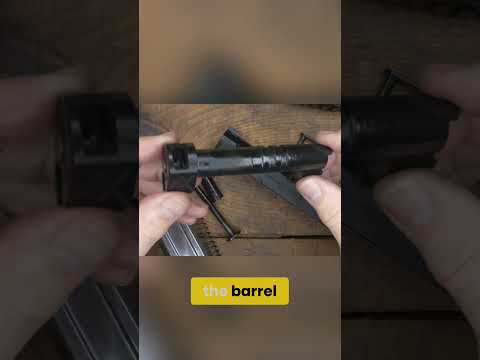
Firearm Maintenance: SKS Cleaning, Part 2/4

Published on February 18, 2014
Duration: 3:41

This guide details the cleaning process for an SKS rifle, emphasizing the critical steps required when using corrosive military surplus ammunition. It covers neutralizing salts, cleaning internal mechanisms, bolt maintenance, and bore cleaning, drawing on expert instruction from Brownells. Proper technique ensures the longevity and reliability of the firearm.

Quick Summary

Properly cleaning an SKS rifle after using corrosive ammunition involves neutralizing salts with water or water-based solvents like Ed's Red. Ensure the firing pin channel is clear and all parts are dried and lubricated to prevent rust and ensure reliable function.

Chapters

  1. 00:00Introduction to SKS Cleaning
  2. 00:15Understanding Corrosive Ammunition
  3. 00:35Cleaning with Water and Solvents
  4. 01:22Cleaning Internal Mechanisms
  5. 01:38Bolt and Carrier Maintenance
  6. 02:15Bore and Chamber Cleaning

Frequently Asked Questions

How do I clean an SKS rifle after using corrosive ammunition?

After using corrosive ammo, immediately soak the SKS rifle's piston, bolt, and other components in water for several minutes to neutralize the salts. Then, proceed with standard cleaning using appropriate solvents and brushes, ensuring all parts are thoroughly dried and lubricated.

What are the risks of using corrosive ammunition without proper cleaning?

Corrosive ammunition leaves behind salts that form acids when exposed to humidity. If not properly neutralized and cleaned, these acids will cause rust and pitting on the firearm's metal surfaces, leading to potential damage and malfunctions.

What cleaning products are recommended for an SKS rifle?

Recommended cleaning products include water-based solvents like Ed's Red or Shooter's Choice Aqua Clean for neutralizing corrosive salts. Traditional solvents like Hoppe's No. 9 and lubricants like Ballistol are also useful for general cleaning and protection.

Why is it important for the SKS firing pin to move freely?

The firing pin must move freely within its channel to ensure reliable ignition. If debris obstructs the firing pin, it can lead to malfunctions such as failure to fire or, in some cases, slam-fire incidents.

Related News

All News →

More Gunsmithing & DIY Videos You Might Like

More from Brownells, Inc.

View all →