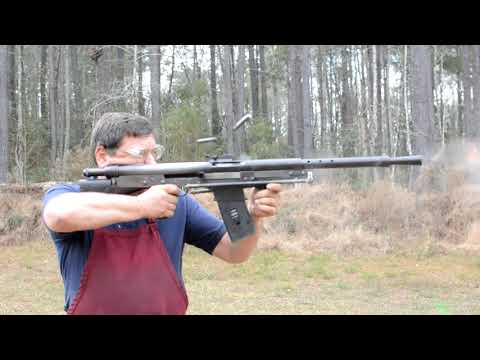
Flood Gun Survivor Instructions...Anvil 0143

Published on November 12, 2024
Duration: 20:24

This guide details the process of restoring a firearm stock damaged by flooding. It emphasizes controlling wood moisture loss by sealing end grain and using plastic bags to slow evaporation. For metal components, it outlines a rust-bluing conversion technique involving boiling to treat rust. The instruction comes from Mark Novak, who demonstrates practical steps for salvaging hardware after a calamity.


Quick Summary

To restore a flood-damaged firearm stock, control wood drying by sealing end grain with plastic wrap and using a sealed bag to slow moisture loss. For metal parts, employ the rust-bluing conversion technique by boiling them to turn red rust into stable black ferroferric oxide.

Chapters

  1. 00:06Introduction: Flood Damage Calamity
  2. 01:00Understanding Wood Checks and Drying
  3. 02:06Essential Supplies for Stock Restoration
  4. 03:37Disassembling the Damaged Stock
  5. 03:56Dealing with Rusted Screws and Oxide Jacking
  6. 05:31Mud Intrusion into the Stock
  7. 06:18Field Repair Challenges and Tools
  8. 07:10Using an Adjustable Wrench for Stubborn Screws
  9. 08:06The Nature of 'Sugar Rust'
  10. 09:05External Cleaning of the Stock
  11. 10:13Intentional Wetting of End Grain
  12. 11:23Abrasive Nature of Flood Mud
  13. 13:03Slowing Moisture Loss with Seals
  14. 13:45Why Standard Sealants Won't Stick
  15. 14:26The Bagging Method for Drying
  16. 15:30Weekly Bag Rotation Process
  17. 16:32Refinishing and Metal Restoration Overview
  18. 16:41Rust Bluing Conversion Technique
  19. 17:48DIY Rust Bluing Rig Setup
  20. 18:49Boiling Process for Rust Removal
  21. 19:13Saving Damaged Firearms
  22. 19:37Oil Treatments for Restored Parts

Frequently Asked Questions

How can I prevent a flood-damaged firearm stock from cracking during drying?

To prevent cracking, seal the end grain of the wood stock with plastic wrap and place it inside a sealed plastic bag. This slows down moisture evaporation, allowing the wood to dry more evenly and reducing the risk of checks or splits.

What is the rust-bluing conversion technique for firearm parts?

The rust-bluing conversion technique involves boiling firearm parts in water for about an hour. This process converts red ferric oxide (rust) into black ferroferric oxide, which is a stable finish and helps protect the metal from further corrosion.

What tools are needed to restore a flood-damaged firearm stock?

Essential tools include plastic wrap (like Saran Wrap) for sealing, large plastic bags for moisture control, terry cloth towels for drying, a screwdriver, an adjustable wrench, and potentially a vice. For metal parts, a rig for boiling water is needed.

How long does it take to dry a flood-damaged firearm stock using the bagging method?

The bagging method for drying a flood-damaged stock can take several weeks. You'll need to rotate the stock in the bag weekly, checking for moisture, and continue this process until no more water is observed coming out of the wood.

More Gunsmithing & DIY Videos You Might Like

More from Mark Novak

View all →