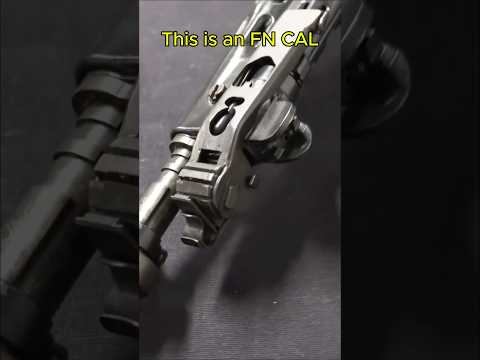
FN CAL: Short-Lived Predecessor to the FNC

Published on January 4, 2019
Duration: 10:26

This guide details the field stripping process for the FN CAL, a predecessor to the FNC. It covers disassembly of the bolt carrier group, cleaning, and reassembly, highlighting the complexity of the bolt assembly and the need for a punch. The information is presented with the technical authority of Ian McCollum from Forgotten Weapons.

Quick Summary

The FN CAL was Fabrique Nationale's initial foray into 5.56mm combat rifles, serving as a precursor to the FNC. Introduced in 1967, it featured a short-stroke gas piston, rotating bolt, and a four-position fire selector. Despite its technical features, including an auto-resetting burst, it saw limited commercial success due to high cost and maintenance challenges, with only around 12,000 units produced.

Chapters

  1. 00:00Introduction to the FN CAL
  2. 00:33Historical Context and Production
  3. 01:13Mechanical Overview
  4. 02:49External Features and Markings
  5. 03:56Disassembly and Bolt Carrier Group
  6. 08:34Arctic Trigger Guard

Frequently Asked Questions

What was the FN CAL and why was it developed?

The FN CAL (Carabine Automatique Légère) was Fabrique Nationale's first 5.56mm combat rifle, developed in 1967 as a predecessor to the more successful FN FNC. It aimed to compete in the emerging market for intermediate cartridge rifles.

What were the main reasons for the FN CAL's commercial failure?

The FN CAL was commercially unsuccessful primarily due to its high cost and difficulty in maintenance. Only about 12,000 units were sold, with Thailand being a major buyer, before it was eventually replaced by the FNC.

Can you describe the fire selector mechanism on the FN CAL?

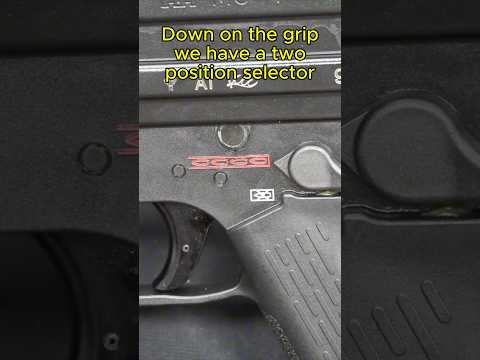
The FN CAL features a unique four-position fire selector lever, clearly marked 'S' for Safe, '1' for Semi-Automatic, '3' for a three-round Burst, and 'A' for Full Auto. The burst mechanism has an auto-reset feature.

What makes the FN CAL's bolt assembly complex?

The bolt assembly of the FN CAL is considered complex because it requires a punch to remove the firing pin. This intricate design contributed to the rifle's reputation for being difficult to maintain compared to other contemporary firearms like the AR-15.

More Gunsmithing & DIY Videos You Might Like

More from Forgotten Weapons

View all →