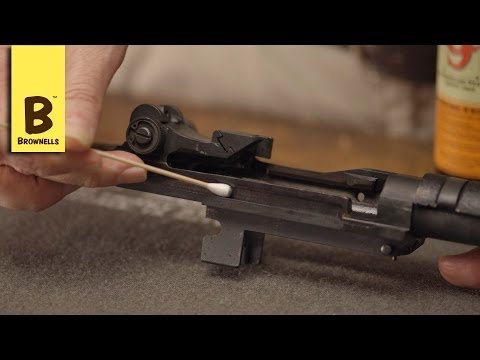
FN FAL/STG58 Clean, Oil, Inspect: Anvil 118

Published on December 23, 2022
Duration: 22:41

This video details the cleaning, oiling, and inspection of an FN FAL/STG58 rifle. It covers field stripping, gas system disassembly, headspace measurement using specialized gauges, and fire control group breakdown. The presenter emphasizes the robust design and mechanical simplicity of the FAL, while also noting its challenging controllability in full-auto fire.

Quick Summary

Headspace on an FN FAL is set by the thickness of the locking shoulder, a steel block pressed into the receiver. This allows the rifle to be re-headspaced as it wears by simply pressing in a thicker locking shoulder.

Chapters

  1. 00:00Introduction to FN FAL/STG58
  2. 01:05Safety Check and Field Strip
  3. 02:31Bolt and Carrier Mechanics
  4. 03:28Receiver Separation
  5. 04:26Gas System Disassembly
  6. 06:16Gas Regulator Explained
  7. 09:12Sights and Bipod Maintenance
  8. 10:48Bolt Stop and Magazine Interaction
  9. 13:06Deep Dive into Headspace
  10. 17:26Fire Control Group Breakdown
  11. 19:48Range Testing and Conclusion

Frequently Asked Questions

How is headspace adjusted on an FN FAL rifle?

Headspace on an FN FAL is determined by the thickness of the locking shoulder, a steel block pressed into the receiver. If the rifle wears, a thicker locking shoulder can be pressed in to restore proper headspace.

What is the function of the gas regulator on an FN FAL?

The FN FAL uses a gas 'dump' system. The regulator sleeve has holes that vent excess gas. Higher numbers on the regulator vent more gas, reducing the amount sent to the piston, while position 1 is fully closed for maximum gas.

How do you disassemble the gas system of an FN FAL?

To access the gas system, remove the handguards. This exposes the gas piston, tappet, and the adjustable gas regulator sleeve, allowing for cleaning and inspection of these critical components.

What is the tilting bolt mechanism in an FN FAL?

The FAL employs a tilting bolt. When the bolt carrier moves rearward, a camming action lifts the rear of the bolt, unlocking it from the receiver's locking abutment. As the carrier moves forward, the bolt is guided down to lock.

Related News

All News →

More Gunsmithing & DIY Videos You Might Like

More from Mark Novak

View all →