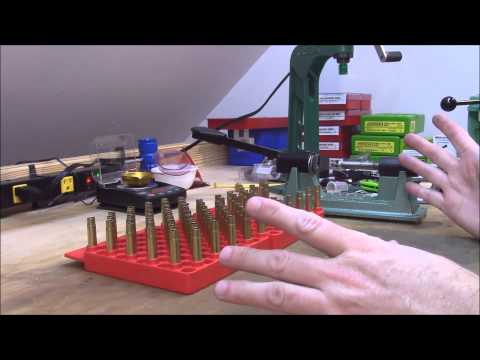
Forming 6 ARC brass

Published on February 21, 2022
Duration: 57:25

This video provides a detailed guide on forming 6mm ARC brass from 6.5 Grendel, a more accessible alternative. The instructor, Johnny's Reloading Bench, walks through the process of resizing, trimming, and fire-forming, emphasizing techniques for achieving proper shoulder bump and case length. He also touches on the more challenging conversions from 7.62x39 and 220 Russian, highlighting the complexities and necessary intermediate steps. The content is technical and practical for reloaders looking to expand their cartridge options.

Quick Summary

Forming 6mm ARC brass from 6.5 Grendel is a practical method when factory brass is scarce. The process involves resizing the 6.5 Grendel case, trimming it to length (around 1.485-1.486 inches), and fire-forming in the 6mm ARC chamber. Proper lubrication and careful die adjustment are key to success.

Chapters

  1. 00:00Introduction: Forming 6mm ARC Brass
  2. 00:14Option 1: Forming from 6.5 Grendel
  3. 00:46Option 2: Forming from 220 Russian
  4. 01:34Option 3: Forming from 7.62x39
  5. 02:31Important Note: Annealing New vs. Fired Brass
  6. 03:07Brass Sources: Starline, Lapua, PPU
  7. 04:26Starting with the Easy One: 6.5 Grendel to 6mm ARC
  8. 05:07Lubrication and Resizing Process
  9. 06:06Chamber Fit Check
  10. 07:03Trimming Brass to Length
  11. 08:22Fine-Tuning Die Adjustment for Shoulder Bump
  12. 11:37Troubleshooting: Dents from Over-Lubrication
  13. 12:43Batch Processing: 50 Grendel Cases
  14. 13:04Attempting 7.62x39 to 6mm ARC (Direct)
  15. 14:48Loading and Firing Test Cases
  16. 17:20Post-Firing Inspection: Grendel Brass
  17. 19:35Neck Wall Thickness Comparison
  18. 20:10Case Capacity Measurements
  19. 21:15Recap: Grendel to 6mm ARC Success
  20. 23:05Revisiting 7.62x39: Intermediate Step to 6.5 Grendel
  21. 25:22Attempting 7.62x39 to 6mm ARC (via Grendel)
  22. 28:37Addressing 7.62x39 Brass Shape Issues
  23. 30:02Fire Forming 7.62x39 with Pistol Powder
  24. 33:20Sizing and Neck Thickness of Formed 7.62x39
  25. 35:13Final Firing of 7.62x39 Formed Brass
  26. 36:13Recap: 7.62x39 to 6mm ARC Procedure
  27. 39:06Tackling 220 Russian to 6mm ARC
  28. 40:31Verifying 220 Russian Chamber Fit
  29. 42:36Resizing 220 Russian to 6mm ARC
  30. 44:44Creating a False Shoulder: 220 Russian to 6.5 Grendel then 6mm ARC
  31. 49:29Problem: Lapua Flash Holes and Decapping Pin Size
  32. 51:06Chamber Fit Test: 220 Russian Conversions
  33. 51:41Shooting Test Rounds: 220 Russian and False Shoulder
  34. 52:29Post-Firing Inspection: 220 Russian Brass
  35. 53:02Family of Formed Brass: Grendel, 7.62x39, 220 Russian
  36. 54:42Second Firing and Final Measurements
  37. 55:18Final Case Capacity Measurements
  38. 56:06Final Thoughts on Brass Conversion Difficulty
  39. 57:06Conclusion and Future Steps

Frequently Asked Questions

What are the easiest brass sources to form into 6mm ARC?

The easiest brass source for forming 6mm ARC is 6.5 Grendel due to similar case dimensions and shoulder angles. The video demonstrates this process effectively, requiring minimal steps beyond resizing and fire-forming.

What are the challenges when forming 6mm ARC from 7.62x39 or 220 Russian?

Forming 6mm ARC from 7.62x39 is difficult due to significant case taper and shoulder differences, often requiring an intermediate step through 6.5 Grendel. 220 Russian lacks a shoulder for headspacing, necessitating methods like jamming bullets into the lands or creating a false shoulder.

How do you ensure proper shoulder bump when resizing brass for 6mm ARC?

To achieve proper shoulder bump, adjust the resizing die so it just touches the shell holder. Slowly work the press, feeling for the neck reduction and then the shoulder bump. The goal is to bump the shoulder just enough for the case to chamber snugly without excessive force.

What are the recommended trim lengths for newly formed 6mm ARC brass?

The SAAMI maximum case length for 6mm ARC is 1.490 inches. The video suggests trimming to approximately 1.485-1.486 inches initially, allowing for potential shrinkage during fire-forming, and then adjusting based on subsequent firings.

Related News

All News →

More Gunsmithing & DIY Videos You Might Like

More from Johnny's Reloading Bench

View all →