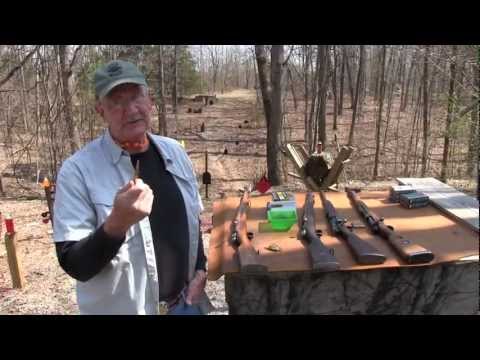
German World War One Gewehr 98 Sniper

Published on May 7, 2021
Duration: 14:12

This guide details the examination of a WWI German Gewehr 98 sniper rifle, emphasizing the importance of identifying original components versus reproductions. It covers historical context, regional variations in optics, specific markings to look for on the rifle and scope, and common modifications like bent bolts and duffel cuts. The information is presented with high authority by Ian McCollum, drawing on deep knowledge of WWI small arms.


Quick Summary

Expert analysis of the WWI German Gewehr 98 sniper rifle highlights key identification features like receiver markings ('Gewehr 98'), bent bolt handles, stock relief cuts, and specific scope manufacturers (Oigee, Luxor). Understanding regional preferences (Prussian vs. Bavarian optics) and modifications like 'duffel cuts' is crucial for authenticating these historical firearms.

Chapters

  1. 00:00Introduction: WWI Gewehr 98 Sniper
  2. 00:24Historical Context: German Sniper Systems
  3. 02:50Regional Optics Preferences (Prussia vs. Bavaria)
  4. 04:56Rifle & Scope Markings Examination
  5. 07:11Scope Mount Identification
  6. 11:07Technical Modifications (Bolt, Stock)
  7. 11:44'Duffel Cut' Significance
  8. 12:00Doctrine and Summary

Frequently Asked Questions

What are the key identifiers for a WWI German Gewehr 98 sniper rifle?

Key identifiers include 'Gewehr 98' receiver markings, a bent bolt handle, a relief cut in the stock for optic clearance, and specific manufacturer markings on the scope such as 'OIGEE Berlin' or 'LUXOR'. Look for original scope mounts and be aware of potential non-original scope serial numbers.

How did Prussian and Bavarian sniper rifle preferences differ in WWI?

Prussian units typically preferred 3x magnification scopes with offset mounts to allow for stripper clip loading, prioritizing faster reloading. Bavarian units favored 4x magnification and center-mounted scopes, placing a higher emphasis on optical clarity and precision.

What is a 'duffel cut' on a rifle stock and what does it signify?

A 'duffel cut' is a modification, often a shallow notch or cut, made to the rifle's wooden stock, usually near the forend. It was commonly done to make the rifle easier to pack and transport, often indicating it was brought home by a soldier as a war trophy.

Are the scopes found on WWI Gewehr 98 sniper rifles always original to the rifle?

Not necessarily. While the rifle itself might have matching serial numbers, the attached scope may have non-original markings, such as re-engraved serial numbers, or the mounts might be reproductions. Careful examination is crucial for authentication.

Related News

All News →

More Gunsmithing & DIY Videos You Might Like

More from Forgotten Weapons

View all →