H&K G3: The Very First Import (3/62)

Published on March 6, 2016
Duration: 14:57

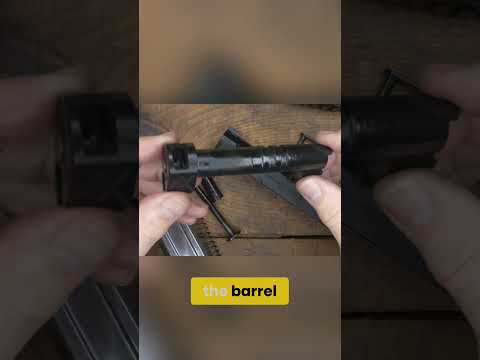
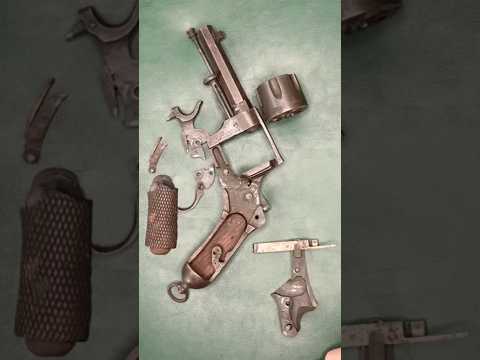
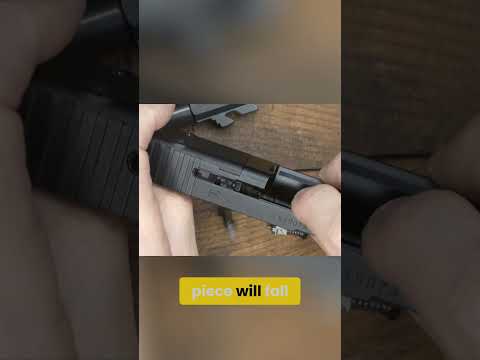
This guide details the field stripping process for an early H&K G3 import, as demonstrated by Ian McCollum. It covers the removal of the stock, trigger group, and bolt carrier, highlighting the push-pin system and similarities to the StG-44 disassembly. The video emphasizes the historical significance of these early imports.

Quick Summary

The H&K G3 from March 1962 is a rare collectible, being the first civilian semi-auto import by Golden State Arms. It features a roller-delayed blowback system for reliability and often retains military-style elements like a paddle magazine release and wooden furniture.

Chapters

  1. 00:00Historical Context of the G3
  2. 01:24Development from CETME
  3. 02:55US Import History
  4. 05:18Markings and Identification
  5. 06:46Disassembly and Internal Mechanics
  6. 10:33The Anti-Bounce Lever
  7. 11:57Magazine Release Variations

Frequently Asked Questions

What makes the H&K G3 from March 1962 a rare firearm?

The H&K G3 from March 1962 is exceptionally rare because it represents the very first batch of civilian semi-automatic G3 rifles imported into the United States by the Santa Fe Division of Golden State Arms Corporation.

How does the H&K G3's roller-delayed blowback system work?

The roller-delayed blowback system uses rollers to delay the opening of the bolt, allowing chamber pressure to drop to safe levels before extraction. This design is known for its reliability and effectiveness with powerful cartridges like the 7.62x51mm NATO.

What are the key identification features of an early H&K G3 import?

Early H&K G3 imports from March 1962 often feature wooden furniture, a military-style paddle magazine release, and specific receiver markings like 'HK 3/62' and 'Santa Fe Division, Golden State Arms Corporation, California'.

What is the significance of the anti-bounce lever in the G3 bolt carrier?

The anti-bounce lever in the G3 bolt carrier is designed to prevent the bolt from bouncing out of battery during high-speed operation, a critical feature for the reliability of the original full-auto design and subsequent semi-automatic variants.

More Gunsmithing & DIY Videos You Might Like

More from Forgotten Weapons

View all →