How a Rolling Block Operates - The Cycle of Operation | MidwayUSA Gunsmithing

Published on January 13, 2014
Duration: 5:46

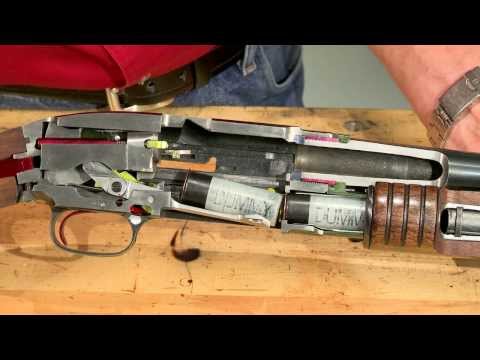
This video provides an in-depth, 'inside out' look at the operation of the Remington Rolling Block action, one of the earliest designs for metallic cartridges. It details the action's evolution from its Civil War origins through its adaptation for pistols and sporting rifles in various sizes and calibers. The demonstration includes a cutaway view of a military rifle to illustrate the complete cycle of operation, from cocking to spent casing extraction.

Quick Summary

The Remington Rolling Block action's cycle of operation includes cocking the hammer, engaging the safety lever, opening the breech block, loading, firing, and extracting the spent casing. This robust design was adapted for various military and sporting firearms.

Chapters

  1. 00:00Introduction to the Remington Rolling Block
  2. 00:10History and Early Development
  3. 00:55Pistol and Sporting Variants
  4. 01:55Smokeless Powder and Calibers
  5. 02:23Disassembly and Cutaway Preparation
  6. 03:55Cycle of Operation Explained

Frequently Asked Questions

What is the Remington Rolling Block action?

The Remington Rolling Block is an early firearm action designed for metallic cartridges, notable for its robust breech block that rotates on a pin to open and close the chamber. It was widely produced by Remington for military and civilian use.

How did the Remington Rolling Block evolve?

Initially designed by Joseph Rider during the Civil War, the action evolved from a 'split breech' to the standard Rolling Block by the late 1860s. It was adapted for pistols and produced in various rifle sizes to accommodate different calibers and pressures.

What are the key steps in the Rolling Block's cycle of operation?

The cycle involves cocking the hammer, engaging the safety lever with the trigger, opening the breech block by rotating it downwards, loading a cartridge, firing, and then extracting the spent casing.

Which Remington Rolling Block actions were designed for smokeless powder?

The No. 5 action was specifically created to handle the higher pressures of smokeless powder cartridges like the .30-30 Winchester and 7mm Mauser, featuring stronger construction for these modern rounds.

Related News

All News →

More Gunsmithing & DIY Videos You Might Like

More from MidwayUSA

View all →