How to Clean Years of Dirt and Grime from a Remington Rolling Block | MidwayUSA Gunsmithing

Published on December 30, 2013
Duration: 4:47

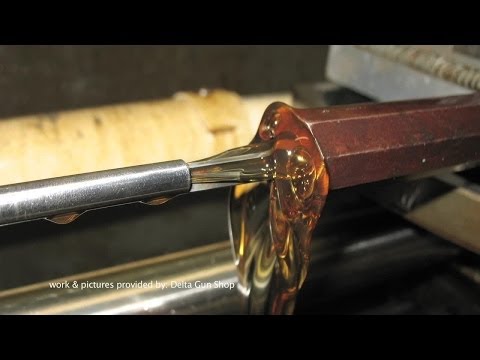
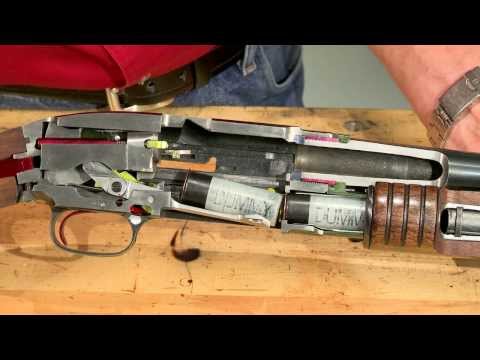
This video demonstrates a meticulous cleaning process for a 19th-century Remington Rolling Block rifle, focusing on preserving its original finish and collector value. It details specific techniques for cleaning both the wood stock using lacquer thinner and the metal components with Hoppe's No. 9 and fine steel wool, avoiding aggressive methods that could damage the patina. The process emphasizes careful disassembly, assessment, and reassembly with appropriate protective oils.

Quick Summary

To clean an antique Remington Rolling Block, use lacquer thinner on wood stocks to remove grime without sanding, preserving the original finish. For metal parts, employ Hoppe's No. 9 solvent with 0000 steel wool to lift varnish and dirt without over-polishing. Finish wood with boiled linseed oil and metal with Rem Oil, ensuring safe disposal of oily rags.

Chapters

  1. 00:00Intro: 1870s Remington Rolling Block .50-70
  2. 00:50Disassembly and Assessment of Grime
  3. 01:48Cleaning the Wood Stock Preserving Finish
  4. 02:41Cleaning Metal Parts: Varnish & Grime Removal
  5. 03:41Finishing Wood & Metal, Reassembly Safety

Frequently Asked Questions

How can I clean an old gun's wood stock without damaging its collector value?

For valuable antique firearms like the Remington Rolling Block, use lacquer thinner on a soft rag to dissolve grime without sanding. This method preserves the original oil finish and any crisp markings, maintaining the stock's integrity and collector appeal.

What's the best way to clean the metal finish on an old rifle like a Remington Rolling Block?

Use a quality solvent like Hoppe's No. 9 paired with 0000 steel wool for metal parts covered in old varnish or grime. This combination effectively removes buildup without aggressive polishing that could alter the original finish or make it appear refinished.

What safety precautions are necessary when cleaning firearms with solvents and oils?

Always ensure good ventilation and wear appropriate personal protective equipment. Critically, dispose of oily rags properly in a metal container with a tight-fitting lid, or spread them out to dry completely, to prevent spontaneous combustion.

What type of oil should be used on a restored antique rifle's metal and wood components?

For metal parts, a light coat of Rem Oil provides protection. For wood stocks, boiled linseed oil is recommended to restore moisture and color; you can optionally mix in a bit of walnut stain for color enhancement.

Related News

All News →

More Gunsmithing & DIY Videos You Might Like

More from MidwayUSA

View all →