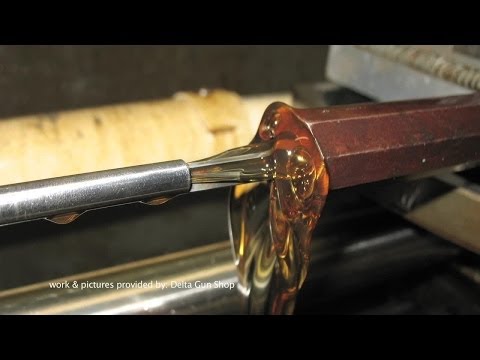
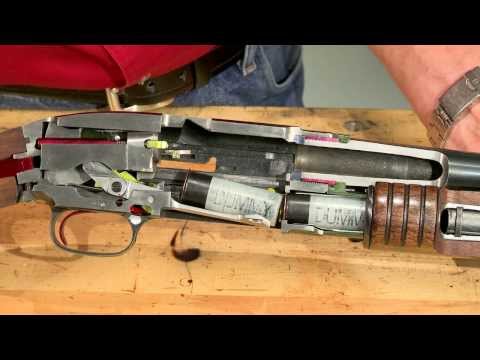
How to Inlet the Buttstock of a Rolling Block Rifle - MidwayUSA Gunsmithing

Published on April 30, 2009
Duration: 1:31

This guide details the advanced gunsmithing process of inletting a wooden buttstock for a Remington Rolling Block Rifle. It covers using a milling machine for initial cuts and a chisel for hand-fitting, with specific mention of Miles Gilbert Inletting Black for precise fitting. The instruction is provided by Larry Potterfield, founder of MidwayUSA, demonstrating a high level of expertise.

Quick Summary

Inletting is the gunsmithing process of fitting a wooden stock to a firearm's metal components. For a Remington Rolling Block Rifle, this involves using a milling machine for initial cuts like the tenon and channels, followed by hand-fitting with chisels and inletting black to ensure precise contact.

Chapters

  1. 00:00Introduction to Inletting
  2. 00:16Layout and Initial Machining
  3. 00:34Channel Cutting
  4. 00:46Hand Fitting and Inletting Black
  5. 01:05Final Assembly

Frequently Asked Questions

What is inletting in firearm gunsmithing?

Inletting is the critical gunsmithing process of shaping and fitting a wooden stock to precisely match the metal receiver, tang, and other components of a firearm like the Remington Rolling Block Rifle.

What tools are used for inletting a rifle stock?

Advanced inletting often involves a milling machine with a fly cutter and end mill for initial shaping. Final fitting is typically done by hand using chisels, aided by marking compounds like Miles Gilbert Inletting Black.

How do you ensure a proper fit when inletting a stock?

A proper fit is achieved by using templates or original parts for layout, making precise machine cuts, and then using inletting black on the metal to reveal high spots on the wood, which are carefully removed with a chisel.

Related News

All News →

More Gunsmithing & DIY Videos You Might Like

More from MidwayUSA

View all →