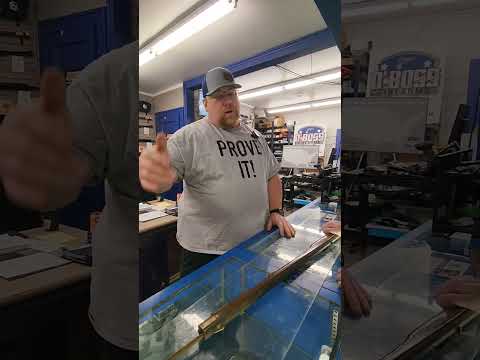
How To Make Blanks And Use Them Safely

Published on September 19, 2017
Duration: 9:19

This guide details how to create safe firearm blanks, specifically for .45 Colt, using readily available components like primers, black powder, and floral foam. It emphasizes modifying the case's flash hole and performing a splatter test to ensure safety before use. The instructor, Dustin Winegar, highlights the inherent dangers of blanks even at close range and demonstrates their destructive potential.


Quick Summary

Learn to make safe firearm blanks using floral foam and black powder. Key steps include drilling the case flash hole to 1/8 inch, charging with 27 grains of GOEX Triple FG, and packing floral foam. Always perform a splatter test from 15 feet to ensure safety, as blanks remain dangerous at close range.

Chapters

  1. 00:00Introduction to Blank Dangers
  2. 00:27Components for Making Blanks
  3. 01:12Tools Needed for Blank Creation
  4. 01:32Modifying the Case: Drilling the Flash Hole
  5. 03:00Priming the Case
  6. 03:15Adding Black Powder
  7. 03:40Using Floral Foam as a Plug
  8. 04:09Packing the Foam Plug
  9. 05:18Performing the Splatter Test
  10. 06:03Demonstrating Blank Danger at Close Range
  11. 06:32Blank vs. Soda Can Test
  12. 07:08Proper Blank Use Demonstration (Arizona Ghost Riders)
  13. 08:52Conclusion and Safety Recap

Frequently Asked Questions

What are the essential components for making firearm blanks?

To make firearm blanks, you will need primers, cartridge cases, gunpowder (like GOEX Triple FG black powder), and floral foam. Tools such as a drill with a 1/8 inch bit, a powder flask, a powder measure, and a dowel rod are also necessary for the process.

Why is it important to modify the flash hole when making blanks?

Modifying the flash hole by drilling it to 1/8 inch is crucial for blanks. In live rounds, a small flash hole is fine, but for blanks, it prevents the primer from backing out and lodging in the firearm's action, which can cause it to lock up.

How can you ensure your homemade blanks are safe to use?

Safety is paramount. After making blanks, perform a splatter test by firing one at a white sheet of paper from 15 feet. If there's no black powder splatter on the paper, the blanks are considered safe for use in appropriate scenarios.

Are firearm blanks safe to handle casually?

No, firearm blanks are not safe for casual handling. Even though they lack a projectile, the expelled powder and gas at close range can cause severe injury, as demonstrated by their ability to damage paper targets and crush aluminum cans.

Related News

All News →

More Gunsmithing & DIY Videos You Might Like

More from Guns of the West

View all →