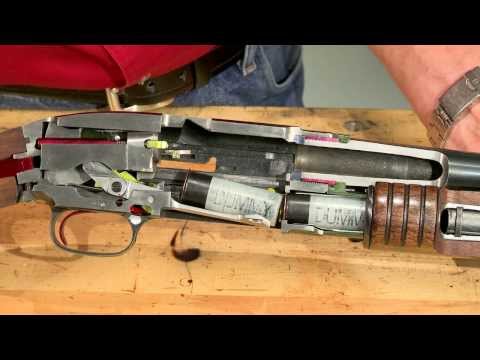
How to Measure Headspace on a Bolt Action Rifle | MidwayUSA Gunsmithing

Published on October 9, 2017
Duration: 1:28

This guide details how to check headspace on a bolt-action rifle, a critical gunsmithing task for ensuring safe operation. Larry Potterfield, founder of MidwayUSA, demonstrates the use of Go and No-Go gauges to measure chamber depth. Proper headspace is essential for reliable function and preventing dangerous pressure issues.

Quick Summary

Checking headspace on a bolt-action rifle involves using Go and No-Go gauges to measure chamber depth. Ensure the firearm is unloaded, remove the bolt and extractor, then test with the 'Go' gauge (bolt should close) and 'No-Go' gauge (bolt should NOT close). Excessive headspace is indicated if the bolt closes on the 'No-Go' gauge, rendering the rifle unsafe.

Chapters

  1. 00:00Introduction to Headspace Checking
  2. 00:17Safety and Preparation
  3. 00:37Understanding Headspace Gauges
  4. 00:41Using the Go Gauge
  5. 00:54Using the No-Go Gauge
  6. 01:12Conclusion

Frequently Asked Questions

What are Go and No-Go gauges used for in firearms?

Go and No-Go gauges are precision tools used in gunsmithing to measure the headspace of a firearm chamber. The 'Go' gauge ensures the chamber is not too short, while the 'No-Go' gauge verifies it is not too long, ensuring safe operation.

Why is checking headspace important for a bolt-action rifle?

Checking headspace is crucial for bolt-action rifle safety and reliability. Correct headspace ensures proper cartridge ignition and extraction, preventing dangerous conditions like case head separation or uncontrolled gas escape.

What are the first steps before checking headspace on a rifle?

Before checking headspace, always ensure the firearm is completely unloaded and pointed in a safe direction. Then, remove the bolt and its extractor to prevent any interference with the gauges during measurement.

How do you know if a rifle has excessive headspace?

A rifle has excessive headspace if the bolt closes completely on a 'No-Go' gauge. This indicates the chamber is too long, making the firearm unsafe to fire due to potential case failure and gas leaks.

More Gunsmithing & DIY Videos You Might Like

More from MidwayUSA

View all →