How to Re-assemble a Sidelock | British Side-by-Side Shotguns | MidwayUSA

Published on March 31, 2014
Duration: 32:46

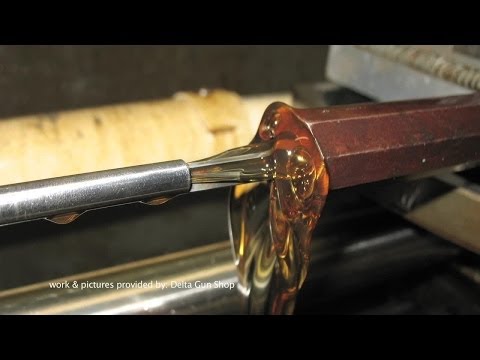
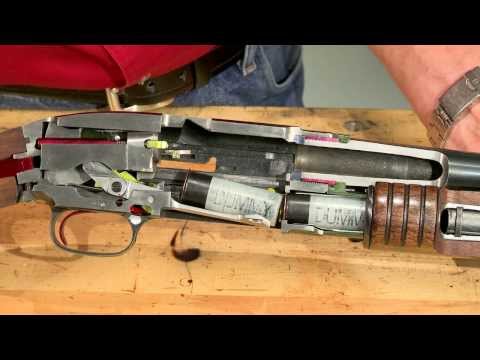
This comprehensive guide details the intricate re-assembly process for a W. Jeffery & Son sidelock shotgun, led by English-trained gunsmith Jack Rowe. It covers everything from installing complex internal mechanisms like the safety and trigger group to traditional techniques such as heat bluing striker discs. The video emphasizes methodical work and the use of specialized tools for a professional finish.

Quick Summary

The re-assembly of a W. Jeffery & Son sidelock shotgun involves meticulous installation of components like the top lever spring, safety mechanism, cocking levers, striker discs, trigger group, and lock plates. Traditional techniques such as heat bluing striker discs with a propane torch are employed, requiring specialized tools like spring compressors and lead-jawed vises for a professional finish.
Chapters

  1. 00:00Introduction and Action Internals
  2. 02:04Top Lever Spring Installation
  3. 03:52Safety and Cocking Levers
  4. 06:39Firing Pins and Heat Bluing
  5. 08:56Trigger Group Assembly
  6. 11:24Striker Discs and Gas Checks
  7. 13:51Lock Plate Internals
  8. 16:19Main Spring Installation
  9. 18:30Cocking the Locks
  10. 20:19Action and Trigger Plate to Stock
  11. 22:26Installing Locks into Stock
  12. 24:46Forend and Ejector Mechanism
  13. 28:30Final Assembly

Frequently Asked Questions

What are the key steps in re-assembling a sidelock shotgun?

Re-assembly involves installing the top lever spring, safety mechanism, cocking levers, striker discs, trigger group, lock plates, main spring, and then fitting the action to the stock and re-attaching the forend and barrels. Specialized tools are often required for tasks like spring compression.

What specialized tools are needed for sidelock shotgun re-assembly?

Essential specialized tools include a spring compression tool for heavy springs, a vise with lead jaws to protect components, and potentially specific screwdrivers or punches for intricate parts. Traditional techniques like heat bluing also require tools like a propane torch.

What is heat bluing and why is it used on firearms?

Heat bluing is a traditional metal finishing process that creates a protective magnetite layer on steel parts, giving them a characteristic blue-black appearance. It's used for corrosion resistance and aesthetic appeal, often seen on classic firearms like the W. Jeffery & Son sidelock shotgun.

What are intercepting sears in a shotgun?

Intercepting sears are a safety feature in some firearms, particularly double-barreled shotguns. They act as a secondary sear to prevent the hammer from falling unintentionally if the trigger isn't fully pulled or if the gun is dropped, enhancing safety.

Related News

All News →

More Gunsmithing & DIY Videos You Might Like

More from MidwayUSA

View all →