How to Reline a 22 Rimfire Rifle Barrel Presented by Larry Potterfield | MidwayUSA Gunsmithing

Published on December 13, 2013
Duration: 9:34

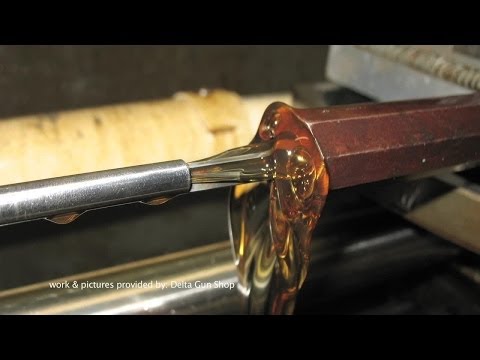
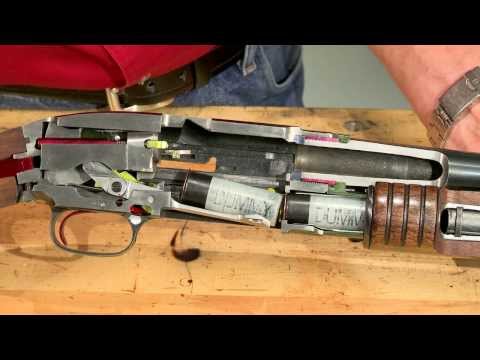
This comprehensive guide details the process of relining a pitted barrel on a Remington Rolling Block No. 4 rifle, transforming it from unshootable to accurate. Presented by expert gunsmith Larry Potterfield, the video covers complete disassembly, precise drilling and reaming of the barrel, installation of a new liner using Loctite 680, critical headspace adjustment, muzzle recrowning, and final marking for historical documentation. It showcases advanced gunsmithing techniques and the use of specialized shop equipment.

Quick Summary

Expert gunsmith Larry Potterfield demonstrates how to reline a pitted 22 Rimfire rifle barrel. The process involves precise drilling, installing a new liner with Loctite 680, re-chambering, and critical headspace adjustment using go-gauges to restore accuracy to vintage firearms.

Chapters

  1. 00:00Introduction and Assessment
  2. 00:34Disassembly
  3. 02:17Drilling the Barrel
  4. 04:01Installing the Liner
  5. 05:00Chambering and Headspacing
  6. 06:21Crowning and Finishing
  7. 07:57Cleaning and Marking

Frequently Asked Questions

What is the process for relining a pitted rifle barrel?

Relining involves disassembling the rifle, drilling out the old barrel bore to a specific diameter, installing a new liner, securing it with retaining compound, re-chambering the new liner, and adjusting headspace. The process concludes with muzzle recrowning and final finishing touches.

What tools are essential for relining a rifle barrel?

Essential tools include a lathe, a heavy-duty barrel vise, action wrenches, specialized punches, drill bits, a dial indicator for centering, a precision reamer, headspace gauges, retaining compound like Loctite 680, and finishing tools such as laps and files.

How is headspace checked and adjusted during barrel relining?

Headspace is checked using a go-gauge specific to the cartridge caliber (.22 LR in this case). The gauge is inserted into the chamber, and the barrel is positioned on the lathe so that the bolt face or breech block just makes contact with the gauge, ensuring the correct rim thickness (0.043 inches) is maintained.

Why is muzzle crowning important after relining a barrel?

Muzzle crowning protects the rifling at the barrel's exit and ensures a consistent release of the bullet, which is crucial for maintaining accuracy. The video demonstrates recrowning to match the original flat style.

Related News

All News →

More Gunsmithing & DIY Videos You Might Like

More from MidwayUSA

View all →