How to Repair a Bent Ejector Rod on Smith and Wesson Revolvers | Smith & Wesson Revolver Project

Published on July 19, 2013
Duration: 2:01

This guide details how to repair a bent ejector rod on Smith & Wesson revolvers, a common issue affecting cylinder operation. Expert gunsmith Larry Potterfield demonstrates using precision tools like a dial indicator and lathe for accurate straightening. The process involves diagnosing the bend, careful disassembly, straightening the rod, and reassembly with functional testing.

Quick Summary

Repairing a bent ejector rod on Smith & Wesson revolvers involves diagnosing the bend with a ruler, careful disassembly, and precise straightening using tools like a lathe and dial indicator. Alternatively, a drill press can be used. Reassembly and functional testing confirm the repair.

Chapters

  1. 00:00Introduction: Bent Ejector Rods
  2. 00:29Diagnosing the Bend
  3. 00:48Disassembly Procedure
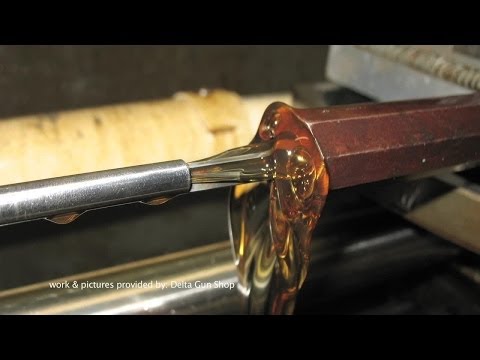
  4. 01:08Straightening with a Lathe
  5. 01:33Alternative: Drill Press Method
  6. 01:41Reassembly and Testing

Frequently Asked Questions

How do you check if a Smith & Wesson revolver's ejector rod is bent?

To check for a bent ejector rod, place a ruler beneath it and slowly rotate the cylinder. Any wobble or deviation from the ruler's line indicates run-out, signifying a bend that needs correction.

What tools are essential for straightening a bent ejector rod?

Essential tools include a dial indicator for precise measurement, a lathe or drill press for controlled rotation, a padded vise for secure clamping, and a brass hammer for gentle adjustments. Masking tape is used to protect threads.

Can a bent ejector rod be fixed without a lathe?

Yes, a bent ejector rod can be straightened using a drill press. The drill press is used to rotate the rod, allowing for measurement with a dial indicator and subsequent straightening by tapping high spots.

What are the common issues caused by a bent ejector rod?

A bent ejector rod commonly causes difficulty in opening or closing the cylinder, resistance during the extraction of spent casings, and overall impaired function of the revolver.

Related News

All News →

More Gunsmithing & DIY Videos You Might Like

More from MidwayUSA

View all →