How to Rust Blue a Rifle Presented by Larry Potterfield | MidwayUSA Gunsmithing

Published on September 27, 2013
Duration: 4:21

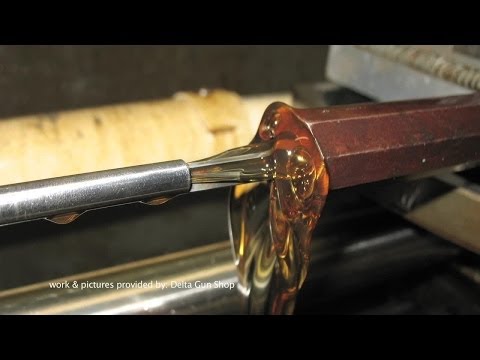
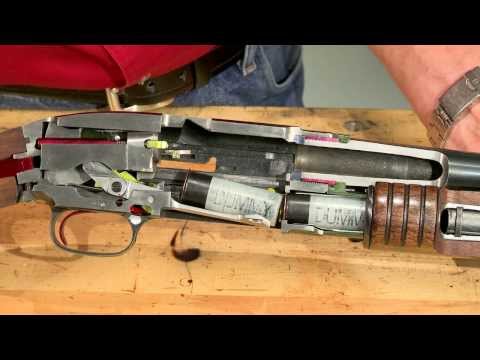
This video demonstrates the traditional slow rust bluing process for firearms, emphasizing its durability and satin finish suitable for high-end rifles. Key steps include meticulous preparation, controlled rusting in a damp box, boiling to convert rust to black oxide, and carding to remove loose rust. The process is repeated multiple times for a deep finish, followed by curing with boiled linseed oil.

Quick Summary

Slow rust bluing is a traditional firearm finishing method that provides a highly durable satin finish, often seen on high-end rifles. Key steps involve meticulous polishing and degreasing, controlled rusting in a damp box, boiling to convert rust to black oxide, carding, and repeated applications for a deep finish, followed by curing with boiled linseed oil.

Chapters

  1. 00:00Introduction to Rust Bluing
  2. 00:30Preparation and Tools
  3. 01:00Degreasing and Solution Application
  4. 01:46The Damp Box and Rusting Process
  5. 02:19Boiling and Conversion
  6. 02:50Carding the Parts
  7. 03:41Final Finishing and Curing

Frequently Asked Questions

What is slow rust bluing and what kind of finish does it provide?

Slow rust bluing is a traditional firearm finishing method that yields a highly durable satin finish. It's often seen on high-end British shotguns and sporting rifles, offering a classic and robust appearance.

What are the essential tools and materials for rust bluing a rifle?

Key items include acetone for degreasing, wooden barrel plugs, a specific bluing solution like Pilkington's, cotton pads, a damp box for controlled rusting, distilled water for boiling, a carding wheel or steel wool, and boiled linseed oil for final curing.

How is the rusting process controlled during rust bluing?

The rusting is controlled within a damp box, which maintains a consistent environment of humidity and temperature, often using a light bulb and a pan of water. This ensures even rust formation over approximately one hour per coat.

What is the purpose of boiling the parts after rusting?

Boiling the rusted parts in distilled water for about 20 minutes is a crucial chemical step. It converts the red, powdery rust into a stable, non-corrosive black oxide finish, commonly called 'black velvet'.

Related News

All News →

More Gunsmithing & DIY Videos You Might Like

More from MidwayUSA

View all →