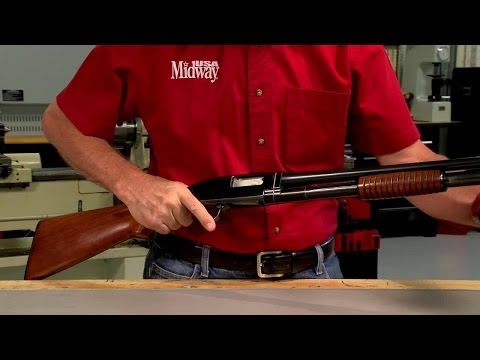
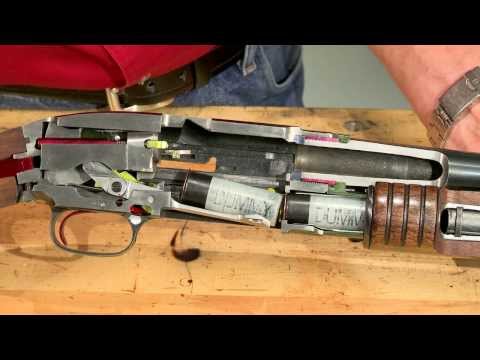
How to Shorten a Stock to Change the Length of Pull | MidwayUSA Gunsmithing

Published on January 8, 2008
Duration: 2:59

This guide details how to shorten a shotgun stock to achieve a custom Length of Pull (LOP), a crucial adjustment for proper fit and shooting comfort. Master gunsmith Larry Potterfield demonstrates precise measurement techniques, the importance of masking tape to prevent splintering, and the use of specialized tools for a clean, professional result. The process ensures the stock's pitch is correctly set for optimal handling.

Quick Summary

To shorten a shotgun stock, first remove the recoil pad. Measure the desired Length of Pull (LOP) from the trigger to the butt. Mark the cut line, applying masking tape to prevent splintering. Use a square to ensure a 90-degree 'zero pitch' cut, then saw carefully and level the surface with a file and sandpaper.

Chapters

  1. 00:00Introduction: Project Goal & Firearm
  2. 00:23Step 1: Recoil Pad Removal
  3. 00:31Step 2: Measuring Length of Pull (LOP)
  4. 00:51Step 3: Stock Masking for Clean Cut
  5. 01:15Step 4: Understanding and Setting Stock Pitch
  6. 01:38Step 5: Cutting the Stock
  7. 02:15Step 6: Filing and Sanding for Flat Butt

Frequently Asked Questions

What is Length of Pull (LOP) and why is it important?

Length of Pull (LOP) is the distance from the front of the trigger to the center of the butt of the firearm's stock. Adjusting LOP is crucial for proper fit, ensuring consistent cheek weld and sight alignment, which directly impacts shooting accuracy and comfort.

How do you prevent a wooden stock from splintering when cutting?

To prevent splintering, wrap masking tape tightly around the stock at the cut line. This reinforces the wood fibers and the finish, providing a cleaner surface for the saw blade to pass through without causing excessive tear-out.

What tools are needed to shorten a shotgun stock?

Essential tools include a measuring device (like a yardstick), a combination square for angles, a fine-tooth wood saw for precise cutting, a flat bastard file for leveling, and sandpaper or a belt sander for finishing the butt end.

What is 'stock pitch' and how is it set?

Stock pitch is the angle of the butt relative to the line of the barrel. A 'zero pitch' is often standard, meaning the butt is perpendicular to the stock's length. It's set using a square to ensure the cut is 90 degrees to the stock's axis.

Related News

All News →

More Gunsmithing & DIY Videos You Might Like

More from MidwayUSA

View all →