How to Thread and Chamber an Octagon Barrel | MidwayUSA Gunsmithing

Published on April 30, 2009
Duration: 1:31

This comprehensive guide details the precise steps for threading and chambering a barrel for a Custer's Rolling Block rifle, as demonstrated by Larry Potterfield, Founder and CEO of MidwayUSA. The process involves meticulous measurement, lathe work for shank preparation and thread cutting, precise fitting to the receiver, and expert chamber reaming and polishing. This expert-level instruction is crucial for custom rifle builds and firearm modifications.

Quick Summary

Learn expert gunsmithing techniques for threading and chambering a firearm barrel. This detailed process, demonstrated by MidwayUSA's Larry Potterfield, involves precise lathe work for shank preparation and thread cutting, followed by careful fitting to the receiver and expert chamber reaming and polishing.

Chapters

  1. 00:07Introduction to Barrel Work
  2. 00:18Measuring Receiver for Shank Length
  3. 00:26Lathe Turning and Barrel Preparation
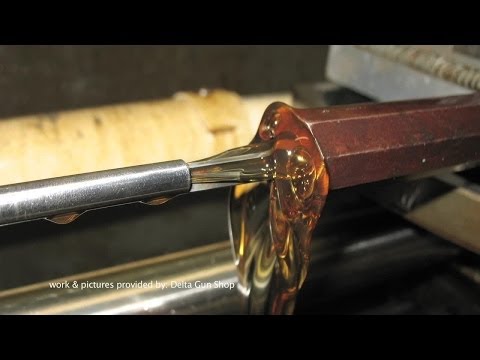
  4. 00:39Cutting Barrel Threads
  5. 00:49Fitting Barrel to Receiver
  6. 01:03Chamber Cutting and Polishing
  7. 01:15Conclusion and Finished Barrel

Frequently Asked Questions

What are the key steps in threading and chambering a firearm barrel?

The process involves measuring the receiver for shank length, centering the barrel in a lathe, turning the shank, cutting threads in precise increments, fitting the barrel to the receiver, and finally, reaming and polishing the chamber. Proper chip clearing and alignment are crucial throughout.

What tools are essential for threading and chambering a barrel?

Essential tools include a lathe for shaping the barrel shank and cutting threads, a digital depth gauge for precise measurements, a dial indicator for centering, and a chamber reamer for creating the chamber. Layout fluid and emery cloth are also used.

Why is precise alignment important when fitting a barrel to a receiver?

Precise alignment ensures that the barrel is concentric with the receiver bore, which is critical for accuracy. Misalignment can create stress on the action and negatively impact the firearm's performance and longevity.

What is the purpose of a relief cut on a barrel shank?

A relief cut on the barrel shank, typically behind the threads, provides clearance for the cutting tool when threading and can help prevent stress concentrations, ensuring a cleaner thread form and better fit.

Related News

All News →

More Gunsmithing & DIY Videos You Might Like

More from MidwayUSA

View all →