How To Use Brownells Cerrosafe Alloy

Published on January 3, 2017
Duration: 10:50

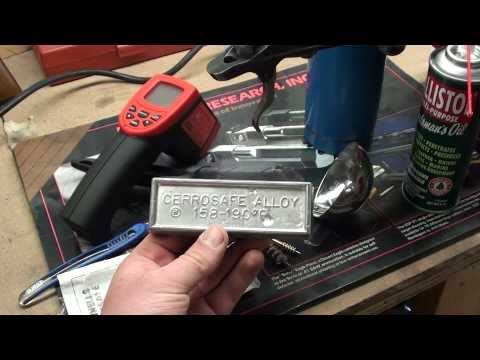
This guide details the process of using Brownells Cerrosafe Alloy to remove stubborn obstructions from a firearm's chamber, as demonstrated by Iraqveteran8888. It covers diagnosis with a borescope, preparation, casting, and extraction of the obstruction. The video emphasizes a safety-first approach, crucial for any gunsmithing task.

Quick Summary

Brownells Cerrosafe Alloy is a low-melting-point material (158°F - 190°F) used for precise firearm chamber casting. To remove an obstruction, melt the alloy, pour it into the chamber, let it cool, and then extract the casting which captures the obstruction. Safety precautions like using dummy rounds and wearing protective gear are essential.

Chapters

  1. 00:00Introduction to Cerrosafe
  2. 00:45Diagnosis with Borescope
  3. 02:08Cerrosafe Properties and Preparation
  4. 03:28The Casting Process
  5. 07:38Extraction and Results
  6. 08:47Range Testing and Maintenance Advice

Frequently Asked Questions

What is Brownells Cerrosafe Alloy used for?

Brownells Cerrosafe Alloy is a specialized low-melting-point material (158°F - 190°F) primarily used for creating precise casts of firearm chambers. This technique is invaluable for diagnosing obstructions, verifying headspace, or checking chamber dimensions without damaging the firearm.

How do you use Cerrosafe to remove a chamber obstruction?

First, ensure the firearm is safe and unloaded. Use a borescope to identify the obstruction. Melt the Cerrosafe alloy with a torch, pour it into the chamber, let it cool, and then tap out the solidified casting, which will have captured the obstruction.

What safety precautions are necessary when using Cerrosafe?

Always use dummy rounds or a chamber flag to ensure the firearm is safe. Wear safety glasses and gloves when handling molten metal and using a torch. Ensure adequate ventilation in your workspace.

Can Cerrosafe damage a firearm chamber?

No, Cerrosafe is designed with a very low melting point specifically to avoid damaging firearm chambers. Its slight shrinkage upon cooling also aids in easy removal after the casting process is complete.

Related News

All News →

More Gunsmithing & DIY Videos You Might Like

More from Iraqveteran8888

View all →