Lifecycle Of A Cartridge

Published on May 26, 2024
Duration: 1:19

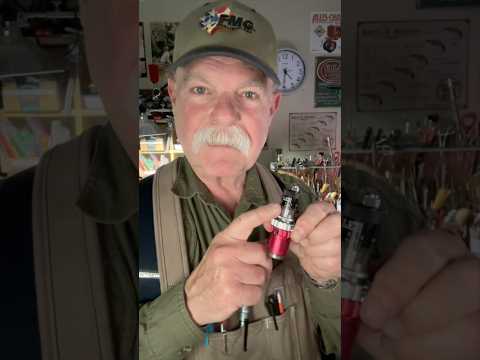
This video demonstrates the complete lifecycle of a rifle cartridge, from finding a spent casing to reloading and firing a new round. It showcases the essential steps of cleaning, decapping, resizing, priming, powder charging, and bullet seating using a LEE reloading press. The process culminates in loading and firing a reloaded .30-06 Springfield cartridge in an M1 Garand rifle, highlighting the practical aspects of ammunition reloading.

Quick Summary

Reloading a rifle cartridge involves cleaning spent casings, decapping and resizing the brass, priming, measuring and adding gunpowder, and seating the bullet. Essential tools include a vibratory tumbler and a reloading press with appropriate dies. This process allows for the creation of functional ammunition from used components.

Chapters

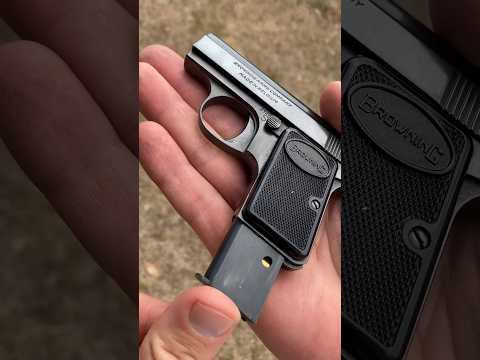
  1. 00:00Finding Spent Handgun Casing
  2. 00:05Tumble Cleaning Brass
  3. 00:14Decapping and Resizing Rifle Brass
  4. 00:20Priming New Rifle Casing
  5. 00:35Measuring and Adding Powder
  6. 00:44Seating the Bullet
  7. 00:55Loading M1 Garand Rifle
  8. 01:07Firing the Reloaded Round
  9. 01:14Spent Casing Ejected

Frequently Asked Questions

What are the main steps involved in reloading a rifle cartridge?

The reloading process begins with cleaning spent casings, followed by decapping and resizing the brass. Next, a new primer is seated, gunpowder is measured and added, and finally, a bullet is seated to complete the cartridge. The reloaded round is then ready for firing.

What equipment is needed to reload rifle cartridges?

Essential equipment for reloading rifle cartridges includes a vibratory tumbler for cleaning brass, a reloading press, reloading dies specific to the caliber, a powder measure for accurate powder dispensing, and a bullet seating die to properly seat projectiles.

How long does it take to clean spent brass for reloading?

Cleaning spent brass using a vibratory tumbler with cleaning media typically takes around two hours to restore its shine and prepare it for the reloading process. This ensures a clean surface for subsequent steps.

What is the purpose of resizing a rifle casing during reloading?

Resizing a rifle casing is crucial to return it to its original dimensions after firing. This ensures proper chambering and extraction in the firearm, preventing feeding issues and ensuring reliable function.

Related News

All News →

More Gunsmithing & DIY Videos You Might Like

More from Misha’s Guns

View all →