Making accurate loads ~ Understanding powders, Part I

Published on January 27, 2017
Duration: 47:24

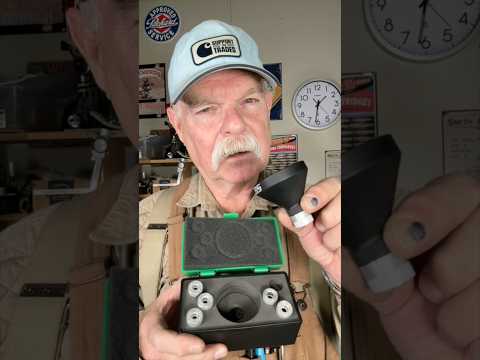
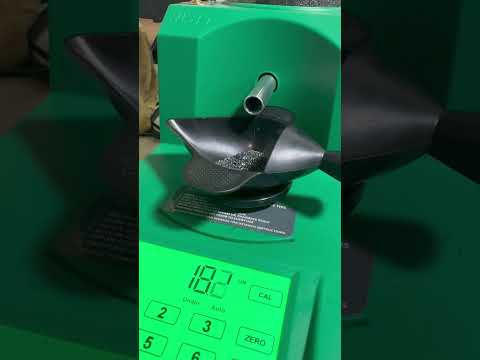
This guide, presented by an expert reloader and firearms educator, details the critical aspects of understanding reloading powders. It covers the historical context of powder manufacturing, the importance of reloading manuals, and how to interpret burning rate charts. The video visually compares different powder types (flake, ball, extruded) and discusses practical considerations for powder measurement and accuracy, suggesting that meticulous trickling may not always be necessary for achieving excellent results.

Quick Summary

Expert reloader explains that understanding powder types (flake, ball, extruded) and burn rates is key to accurate handloads. While ball powders measure more consistently, extruded powders often yield similar accuracy without meticulous trickling, as demonstrated by sub-MOA target groups. Always consult a manual for safe load data.

Chapters

  1. 00:00Introduction to Modern Powders
  2. 02:24Historical Context of Powder Manufacturing
  3. 05:43The Importance of Reloading Manuals
  4. 08:30Understanding Burning Rate Charts
  5. 10:07Visual Comparison of Powder Types
  6. 13:36Practical Measuring and Accuracy Myths

Frequently Asked Questions

What are the main types of reloading powders?

Reloading powders are primarily categorized by their grain shape: flake, ball (spherical), and extruded. Manufacturers control their burning rates through variations in grain size, shape, and coatings, influencing how quickly they generate pressure when ignited.

Why is it important to use a reloading manual?

Reloading manuals are crucial because they provide specific, tested load data for particular cartridges and component combinations. Powders, even with similar burn rates, have unique characteristics, and substituting data can lead to dangerous over-pressures or poor performance.

Do I need to trickle every single powder charge for accuracy?

Not necessarily. While ball powders tend to measure more consistently, the slight variations in extruded powders often don't significantly impact accuracy for many common cartridges. Achieving sub-MOA groups can sometimes be done without meticulously trickling every charge.

How do burning rate charts help reloaders?

Burning rate charts rank powders numerically from fast to slow. This helps reloaders understand the relative speed of different propellants and identify potential substitutes if a preferred powder is unavailable, though load workup is always required for new powders.

Related News

All News →

More Gunsmithing & DIY Videos You Might Like

More from GunBlue490

View all →