Mosin Nagant

Published on July 12, 2010
Duration: 14:14

This guide details the field stripping and safety check procedure for the Mosin Nagant 91/30, as demonstrated by Hickok45. It covers bolt removal, inspection, and reassembly, emphasizing the unique safety mechanism and the importance of a thorough safety check. Hickok45's high authority level is evident in his practical demonstration and historical context.


Quick Summary

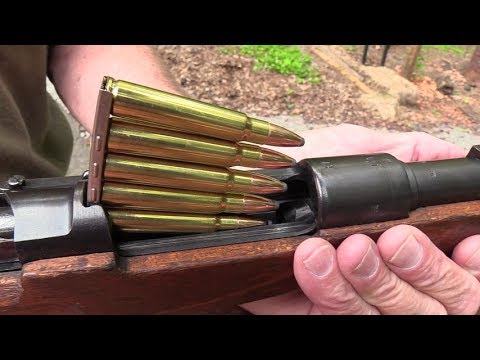
Hickok45, an experienced firearms instructor, reviews the Mosin Nagant 91/30, highlighting its historical significance, robust bolt-action design, and the unique cocking piece safety. He notes its affordability stems from high production numbers and demonstrates its shooting performance with surplus 7.62x54R ammunition.

Chapters

  1. 00:00Introduction to the Mosin Nagant
  2. 00:34History and Design Origins
  3. 01:30Production Numbers and Affordability
  4. 02:55Technical Variations and WWII Production
  5. 05:06Shooting and Ammunition Performance
  6. 09:25Safety Mechanism and Bayonet
  7. 11:15Market Comparison

Frequently Asked Questions

What is the history behind the Mosin Nagant rifle?

The Mosin Nagant rifle was designed in 1891 by Russian Captain Mosin and Belgian Leon Nagant. It was adopted by Russia and saw significant improvements in 1930, leading to the widely recognized 91/30 model, with approximately 17 million units produced.

How do you operate the safety on a Mosin Nagant 91/30?

The Mosin Nagant 91/30 features a unique cocking piece safety. To engage it, you pull the cocking piece to the rear and then twist it into a locked position. This mechanism can be stiff but is effective once mastered.

What caliber is the Mosin Nagant 91/30 typically chambered in?

The Mosin Nagant 91/30 is most commonly chambered in the 7.62x54R caliber. This is a rimmed rifle cartridge that has been in service for over a century, known for its power and availability in surplus markets.

Why are Mosin Nagant rifles so inexpensive?

Mosin Nagant rifles are generally inexpensive due to their massive production numbers, estimated at around 17 million units. This high supply, particularly on the surplus market, drives down the price without necessarily indicating poor quality.

Related News

All News →

More Gunsmithing & DIY Videos You Might Like

More from hickok45

View all →